Many patients want smoother, clearer, and healthier-looking skin, but they also want to understand what the experience may involve before choosing treatment. Modern healing lasers offer a more comfortable path to skin recovery by using controlled energy, careful planning, and individualized settings to address visible concerns without relying on a one-size-fits-all approach. This makes education an important part of the decision, especially for patients who want visible improvement while still feeling confident about safety, downtime, and realistic outcomes.
At BluePoint Medical Spa, laser treatment is approached as an elective aesthetic option that should feel informed, realistic, and guided by professional judgment. The goal is not to promise perfect skin, but to support better skin texture, more even tone, and a healthier-looking complexion when treatment is appropriate for the patient. A calm, medically responsible approach allows patients to understand how technology, skin health, and recovery work together before committing to care.
Patients Want Visible Change Without Feeling Overwhelmed
For many people, the biggest concern is not only the treatment itself, but the uncertainty around downtime, redness, sensitivity, and results. Patients often want to know whether their healing process will fit into work, family, social plans, and daily skincare routines. That concern is understandable because aesthetic care should support confidence, not create unnecessary stress or confusion during recovery.
This is why consultation and education matter. A thoughtful provider reviews skin concerns, medical history, current skincare habits, and previous aesthetic treatments before recommending laser facials and other laser therapy options or another option. That conversation helps patients understand what may be realistic, what should be avoided, and how recovery may feel based on treatment depth, device selection, and the patient’s individual skin response.
Skin Concerns Often Develop Gradually Over Time
Changes such as acne scars, fine lines, uneven color, enlarged-looking pores, roughness, and sun-related dullness often appear slowly. Because these concerns develop over time, improvement also usually requires patience, consistency, and a treatment plan and treatment timing designed around how the skin heals. Patients may feel more comfortable when they understand that gradual change is often healthier and more natural-looking than overly aggressive correction.
Many patients feel reassured when they understand that visible redness, dryness, or tightness after certain procedures may be expected. Mild redness can be part of a normal post-treatment response, especially when laser energy has been used to encourage controlled renewal in the treatment area, and understanding whether laser skin treatment looks worse before it looks better can help set expectations. The key is knowing what is expected, what is temporary, and when a symptom should be reported to the provider.
How Laser Energy Stimulates the Skin
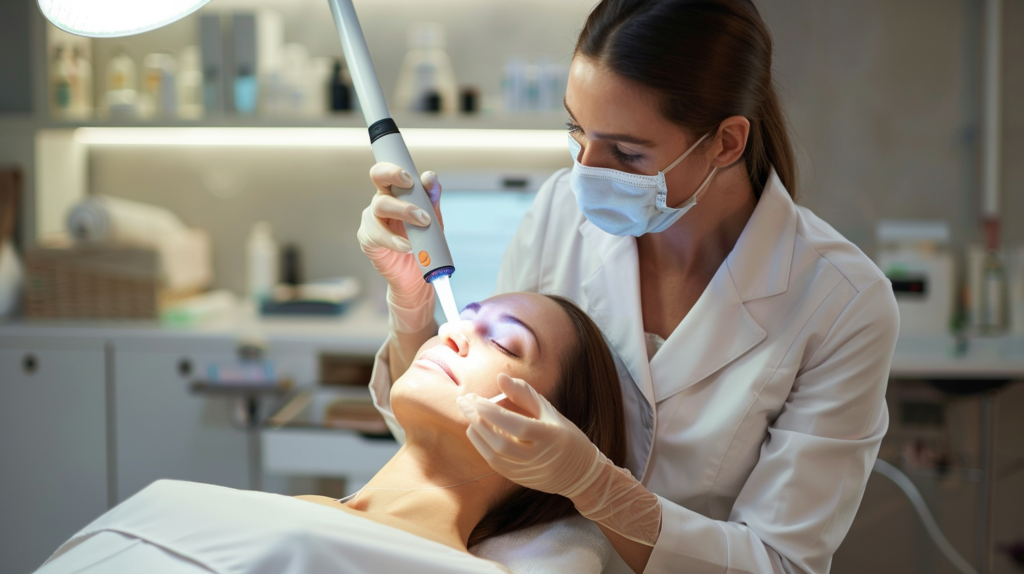
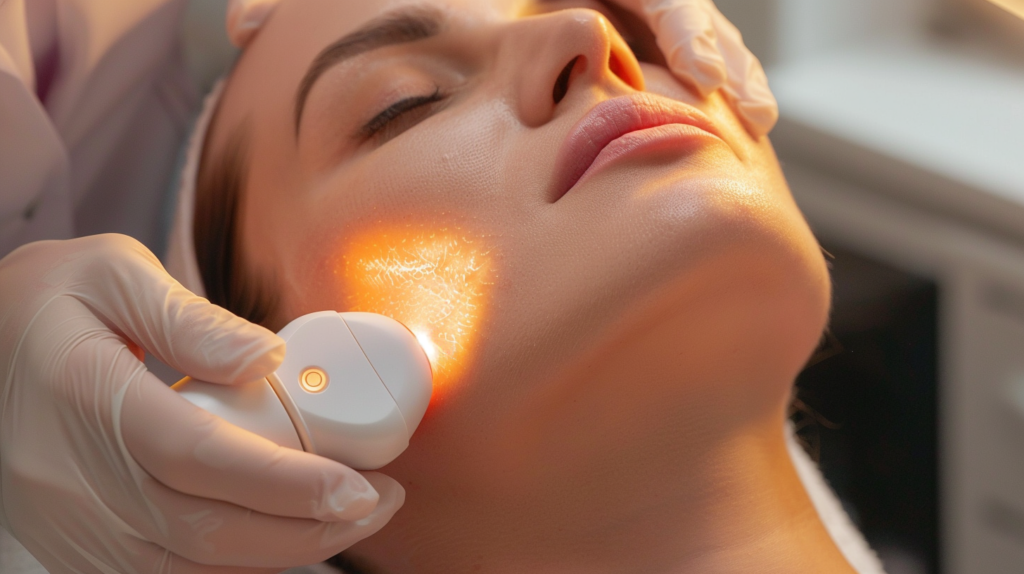
Laser energy uses targeted light to interact with selected layers of the skin. Depending on the device and settings, the treatment may focus on surface texture, pigment irregularity, scar remodeling, or deeper collagen support. This controlled interaction is what separates professional laser care from random irritation, because the provider is selecting energy settings based on the skin concern, skin type, and desired recovery profile.
The goal is to influence the body’s natural healing response without creating unnecessary trauma to surrounding tissue. When performed appropriately, laser-based treatments may encourage collagen production, support gradual refinement, and improve the look of damaged or uneven skin over time. This makes precision especially important, since the right amount of stimulation may support improvement while reducing avoidable irritation.
Focused Light Energy Supports Skin Renewal
Focused light energy allows providers to direct treatment more precisely than many older approaches. Some lasers work near the surface, while others reach the deeper layers where structural support and collagen remodeling occur. This flexibility allows the provider to choose an approach based on whether the patient is more concerned with texture, tone, scars, fine lines, or broader rejuvenation.
This matters because skin tone, texture, and firmness are influenced by different processes. A patient with rough texture may need a different approach than someone seeking improvement in discoloration, early laxity, or post-acne marks. Matching the technology to the concern is central to safer, more thoughtful care, particularly when the patient has sensitivity, pigment concerns, or limited time for visible recovery.
Healing and Recovery Vary by Treatment Depth
The recovery process after laser care depends heavily on the device, settings, and depth of treatment. Lighter procedures may involve temporary pinkness or dryness, while more intensive resurfacing may require a longer period of visible recovery and specific pre- and post-care instructions. Understanding this difference helps patients plan around work, events, sun exposure, and daily responsibilities before choosing a procedure.
A deeper treatment is not automatically better for every patient. Provider judgment is important because stronger settings may increase both potential improvement and potential side effects. A measured approach often protects skin health while still allowing meaningful aesthetic progress, especially when the provider balances visible goals with the patient’s comfort level, lifestyle, and recovery tolerance by choosing among different laser skin resurfacing options.
CO2 Laser Resurfacing is Often Chosen for Texture and Scars
A CO2 laser may be used in carefully selected patients when concerns involve deeper texture changes, wrinkles, or certain scars. This type of technology is associated with resurfacing because it can affect the outer surface and stimulate remodeling below it. For patients with more advanced texture concerns, this approach may be discussed when lighter treatments may not offer enough correction.
Laser resurfacing with CO2 technology requires careful planning, especially for patients with pigment sensitivity, recent sun exposure, or a history of abnormal scarring. It is not the right choice for everyone, but when appropriate, it may support visible refinement in overall skin texture and scar appearance. A provider should explain downtime, aftercare, and risk factors clearly before treatment begins.
Erbium Lasers May Offer a Different Resurfacing Profile
Erbium lasers are another resurfacing option that may be considered for texture, fine lines, and certain forms of skin renewal. In some treatment plans, erbium laser resurfacing may be selected when the provider wants controlled resurfacing with a specific recovery profile. This option may appeal to patients who want meaningful refinement but need a plan tailored to their skin’s sensitivity and healing capacity.
The choice between technologies depends on the patient’s goals, skin type, treatment history, tolerance for downtime, and the provider’s assessment. A responsible recommendation weighs the possible benefits against recovery expectations and potential contraindications. This is especially important because two patients with similar visible concerns may need very different settings or even different treatment modalities.
Non-Ablative Options May Fit Milder Recovery Goals
Non-ablative laser treatments are often selected when patients want gradual improvement with less visible downtime than more intensive resurfacing. These options typically work below the surface while leaving much of the outer layer intact and can be part of long-term strategies for improving skin texture. For patients with busy schedules, early signs of aging, or mild texture concerns, this may offer a more approachable path to skin refinement.
Because they are generally less aggressive, non-ablative approaches may require multiple sessions. They may be useful for patients focused on subtle refinement, early texture changes, mild discoloration, or collagen support without a longer recovery period. Patients should understand that a gentler approach may still produce visible improvement, but the timeline is usually more gradual.
Ablative Treatments Require More Careful Planning
Ablative treatments remove or vaporize part of the outer layer of the skin to trigger resurfacing and renewal. These treatments may be considered for deeper lines, etched texture, or more visible scarring, but they also involve more aftercare and downtime. Because the skin barrier is more directly affected, careful recovery instructions become an essential part of the treatment plan.
The decision to choose ablative resurfacing should be based on a detailed consultation. Patients need to understand wound care, sensitivity, sun avoidance, infection precautions, and realistic timelines before moving forward with a more intensive option, including how often such facial and skin treatments should be scheduled safely. This level of preparation helps patients feel more confident and reduces the chance of making decisions based only on dramatic before-and-after expectations.
Collagen Production is Central to Long-Term Texture Change
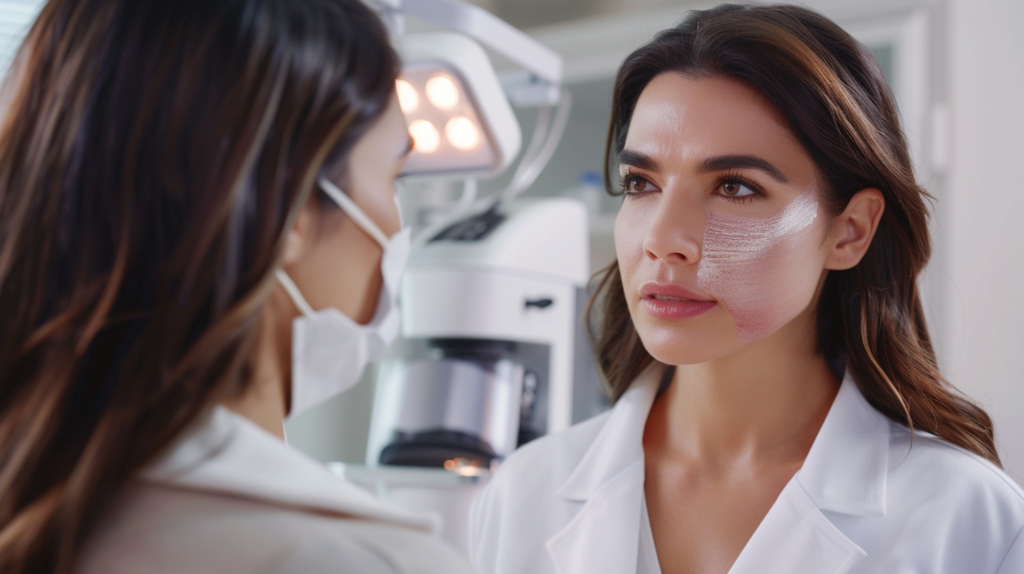
Stimulating collagen production and restoration is a common goal in aesthetic laser care, but it is important to understand that collagen remodeling takes time. The skin may continue to evolve gradually after treatment as the body responds to controlled stimulation. This means patients may notice early surface changes first, while deeper firmness or texture improvements may become more visible later.
Collagen production supports firmness, smoother texture, and improved resilience, but results vary based on age, health, sun history, skincare habits, and treatment intensity. This gradual process is one reason many patients see their outcome as a progression rather than a single instant change. It also explains why maintenance, sun protection, and consistent skincare remain important after treatment.
Tissue Repair is Part of the Skin’s Natural Response
Tissue repair occurs when the skin responds to controlled injury or stimulation. In aesthetic laser care, that response may involve inflammation, cell signaling, collagen remodeling, and surface renewal. This process is part of why patients may experience temporary sensitivity or redness before the skin begins to look calmer, smoother, or more refined.
This is sometimes described as enhancing tissue repair, but the process should be respected rather than rushed. A gentle recovery routine, good hydration, and careful sun protection give the skin a better environment for repair after professional treatment, similar to how dedicated laser systems that promote tissue repair support healing over time. Patients who follow aftercare instructions closely may also reduce the likelihood of irritation caused by premature exfoliation or harsh products.
Natural Healing Processes Should Be Protected After Treatment
The skin’s response after treatment depends on natural healing processes that require time and consistency. Patients may feel tempted to exfoliate, apply active ingredients, or resume strong products too soon, but that can increase irritation, and using the wrong skincare products after treatment can also undermine results. Supporting the skin barrier during this stage is often more important than trying to speed up visible results.
A gentle skincare routine is often recommended during early recovery. This usually means mild cleansing, appropriate moisturization, and strict avoidance of harsh scrubs, aggressive acids, or unapproved topical products until the provider gives guidance. This type of routine supports comfort while helping the skin recover from the controlled stimulation of the procedure.
Skin Resurfacing May Improve Several Visible Concerns
Skin resurfacing may be considered for uneven skin tone, roughness, post-acne texture, fine lines, and certain scars as part of broader skin, body, and wellness treatments. In the right patient, resurfacing may make the skin look smoother and more refreshed without changing the natural character of the face. This is why many patients choose laser care when they want improvement that still feels aligned with their own features.
Some patients seek improvement in deep wrinkles, while others are more focused on pores, scars, or dullness. Because multiple skin concerns may overlap, the provider may recommend a phased plan rather than treating every issue with the same intensity at once, drawing from the spa’s advanced, personalized treatment options. This helps protect the skin while allowing the treatment strategy to evolve based on response.
Acne Scars and Surgical Scars Require Realistic Expectations
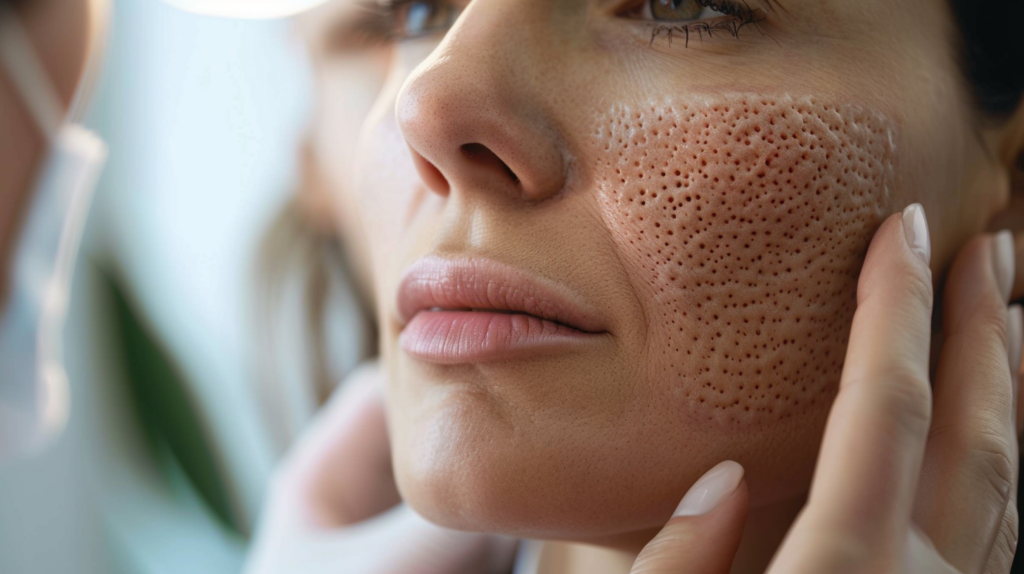
Surgical scars, deeper scars, and acne scars may respond to laser-based treatment, but scar remodeling is often gradual. Texture may soften, edges may look less noticeable, and the skin may appear more blended, but scars usually do not disappear completely. Patients benefit from understanding this early, so expectations remain realistic and emotionally grounded.
This distinction is important for trust. A responsible provider explains what level of significant improvement may be realistic, how many sessions may be needed, and whether other advanced treatments should be considered alongside laser. Ongoing education through resources like the spa’s aesthetic treatment and skincare blog can further support understanding. In some cases, combining modalities may be more appropriate than relying on one treatment alone.
FAQ
Is laser treatment comfortable for most patients?
Many patients tolerate laser treatment well, especially when comfort measures such as cooling or topical numbing are used. Sensation depends on the device, treatment area, and treatment intensity. A consultation allows the provider to explain what the experience may feel like.
How long does the recovery period usually last?
The recovery period depends on whether the treatment is light, non-ablative, fractional, or ablative. Some patients may have redness for a short time, while more intensive resurfacing may require several days or longer of visible healing. Your provider should explain the expected timeline before treatment.
Are laser treatments safe for darker skin tones?
Laser treatments may be appropriate for some patients with darker skin tones, but planning must be careful. Certain lasers and aggressive settings may increase the risk of pigment changes. Provider experience, conservative settings, and individualized care are especially important.
Can lasers improve acne scars or deeper scars?
Laser care may improve the appearance of acne scars or deeper scars by supporting collagen remodeling and texture refinement, while complementary focused light therapies for tissue comfort and healing may be used in other contexts. Results vary, and scars usually improve gradually rather than disappearing completely. Some patients may need a series of treatments or a combination plan.
Conclusion
Choosing laser skin treatments should begin with a careful evaluation, not assumptions based on trends or before and after photos, and reviewing the spa’s full range of skin and body treatment services can help you understand which options may fit your goals. BluePoint Medical Spa provides patient-centered guidance for individuals interested in improving skin appearance, texture, scars, tone, or visible signs of aging through elective aesthetic care. The goal is to help patients understand their options clearly before deciding whether treatment is appropriate.
Individual results vary. Laser treatments have potential risks, contraindications, and recovery requirements, and consultation with a licensed provider is required before treatment. The right plan depends on skin type, medical history, current products, sun exposure, treatment area, and aesthetic goals. Contact BluePoint Medical Spa to schedule a complimentary consultation and learn whether laser-based skin rejuvenation, resurfacing, or another professional option is appropriate for your skin, and explore flexible payment and financing options if you would like to plan treatments over time.