Cold laser therapy, also known as low-level laser therapy or photobiomodulation, uses selected wavelengths of light to support cellular processes associated with tissue repair, inflammation response, and pain-related concerns. Unlike surgical or ablative lasers that cut, vaporize, or resurface tissue, cold lasers deliver light energy at intensities that do not create the same thermal effect or visible tissue disruption. The goal is to interact with cellular activity rather than heat or remove the skin.
The Phoenix Thera-Lase is a cold laser system offered at Blue Point Medical Spa for selected tissue recovery and wellness-related applications. This system delivers therapeutic light energy at wavelengths chosen to reach soft tissue and interact with biological processes involved in recovery. Understanding how cold laser therapy works, what it may be used for, and what patients can expect during a session can help determine whether it aligns with individual goals.
Photobiomodulation and Cellular Energy
Photobiomodulation describes the process by which specific wavelengths of light may influence cellular behavior. One of the primary targets discussed in research is cytochrome c oxidase, an enzyme located in the mitochondria. The mitochondria are responsible for producing adenosine triphosphate, also known as ATP, which functions as the body’s cellular energy source.
When photons from a cold laser reach the treated tissue, they may interact with cellular structures involved in energy production. Increased ATP availability may support the normal processes cells use during repair, recovery, and inflammatory regulation. These processes may include fibroblast activity, collagen production, and improved local circulation in selected treatment areas.
Nitric oxide may also play a role in photobiomodulation. This signaling molecule is involved in blood vessel dilation and immune regulation. When released in response to light exposure, it may support local blood flow and nutrient delivery to the area being treated. These mechanisms are part of why low-level laser therapy is often discussed in the context of tissue recovery and discomfort management.
The wavelengths used in cold laser therapy often fall in the red and near-infrared ranges. Red light generally reaches more superficial tissues, including skin and shallow muscle layers. Near-infrared light can reach deeper structures such as tendons, ligaments, joints, and muscle layers below the skin’s surface. The Phoenix Thera-Lase operates within therapeutic wavelength ranges selected for these types of applications.
The word “cold” helps distinguish this category from high-powered laser treatments used for cosmetic resurfacing or surgical applications. A cold laser does not create the same controlled thermal injury used in aesthetic resurfacing. Patients generally should not feel burning during treatment, and the skin is not intentionally damaged during the session.
Common Uses for Cold Laser Therapy
Cold laser therapy has been studied across several clinical and wellness contexts. The strength of evidence varies depending on the condition, which is why responsible providers present it as a supportive option rather than a guaranteed solution. For selected patients, photobiomodulation therapy may be considered as part of a broader recovery or wellness plan.
Musculoskeletal discomfort is one of the most common reasons patients ask about low-level laser therapy. Patients with concerns such as tendinitis, bursitis, arthritis, muscle strains, or localized soft tissue discomfort may be interested in a non-invasive option that supports the body’s recovery processes. The treatment may be used to help address inflammation-related discomfort and tissue stress, depending on the patient’s condition and provider evaluation.
Post-procedure recovery support is another potential use. After aesthetic or wellness procedures, the body moves through a natural repair process that includes inflammation, tissue remodeling, and barrier recovery. Some patients may discuss Phoenix Thera-Lase sessions as part of their recovery plan after treatments such as facials, chemical peels, or microneedling, depending on timing, skin status, and provider guidance.
Sports recovery is also an area of interest. Exercise and athletic activity can create repetitive stress, muscle fatigue, and micro-injuries in connective tissue. Cold laser therapy may be considered as a supportive modality for patients looking to complement rest, hydration, stretching, and other recovery strategies. Blue Point Medical Spa has also explored the relationship between laser therapy and post-workout muscle recovery in existing educational content.
Wound healing support and nerve-related discomfort have also been explored in research settings. Some studies have evaluated photobiomodulation in relation to chronic wounds, post-operative incisions, burns, or peripheral nerve concerns. However, patient response can vary, and these uses should be evaluated by a qualified provider before treatment is recommended.
Phoenix Thera-Lase at Blue Point Medical Spa
The Phoenix Thera-Lase is the specific cold laser system used at Blue Point Medical Spa. The device is designed for clinical use and delivers controlled doses of therapeutic light energy to targeted treatment areas. Providers may adjust treatment parameters based on the patient’s concern, the area being treated, tissue depth, and overall treatment goals.
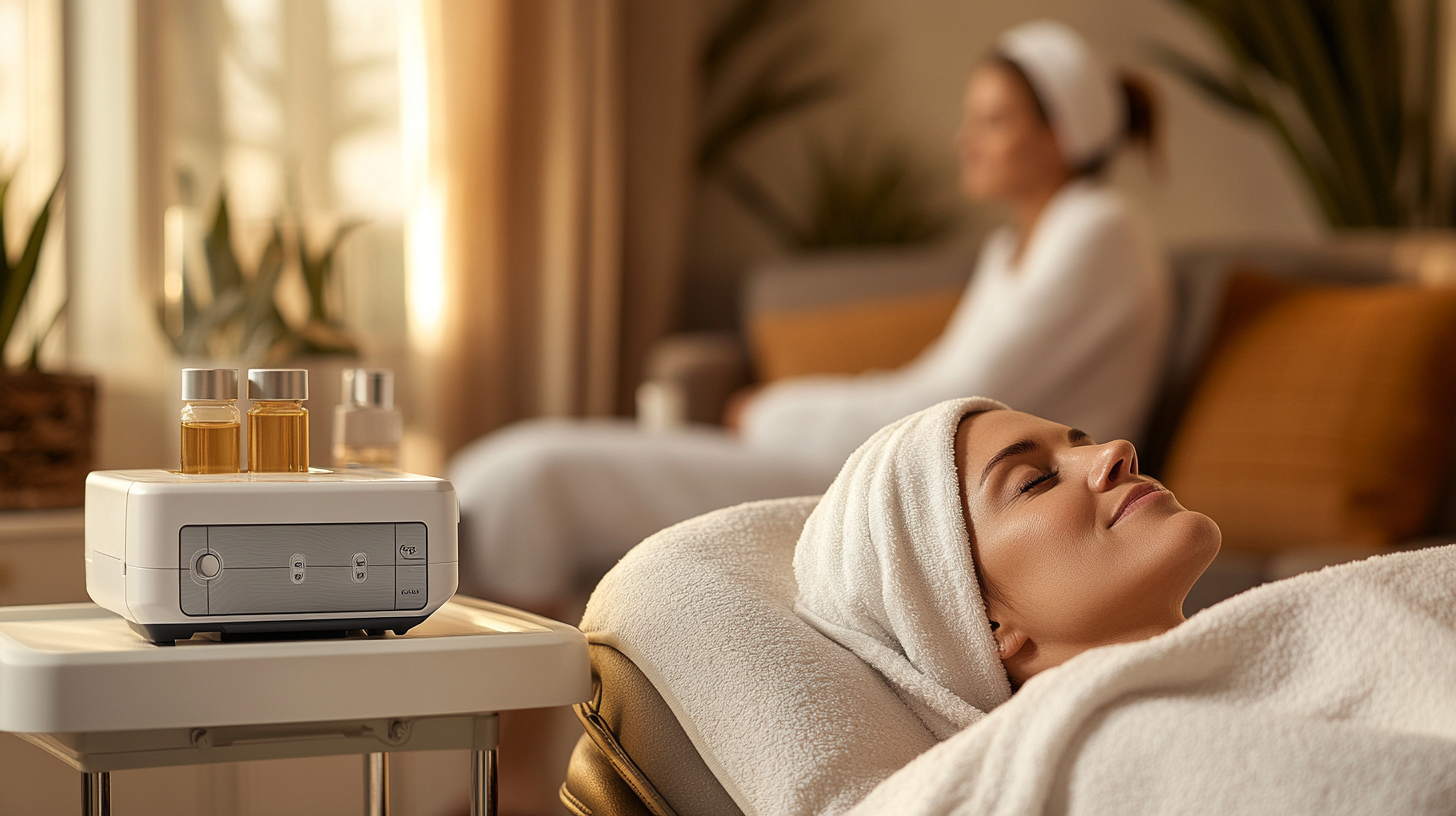
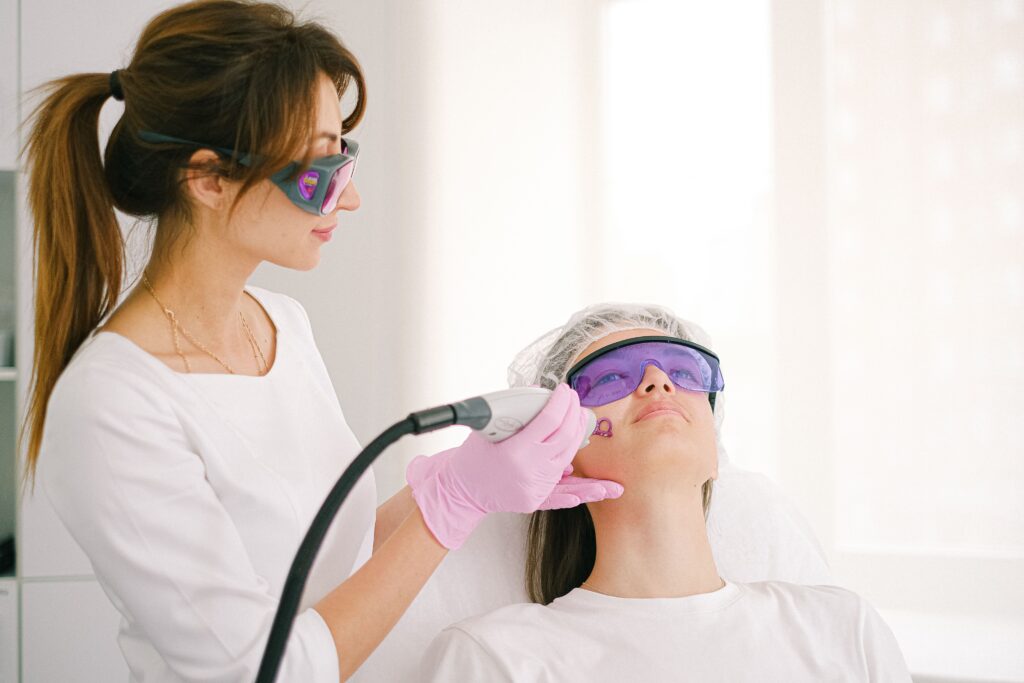
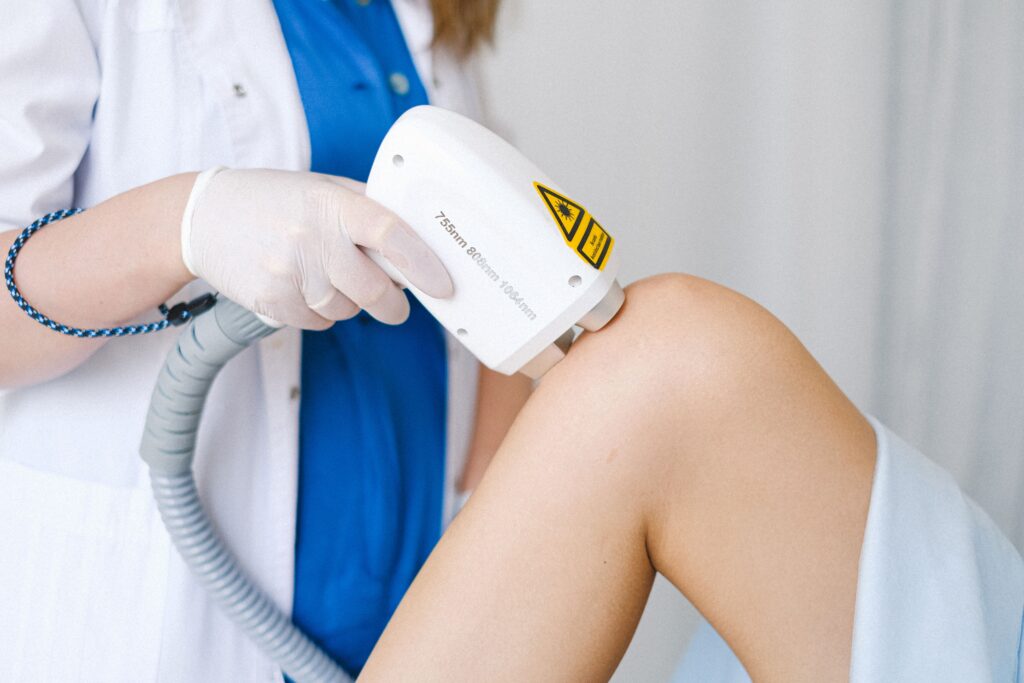
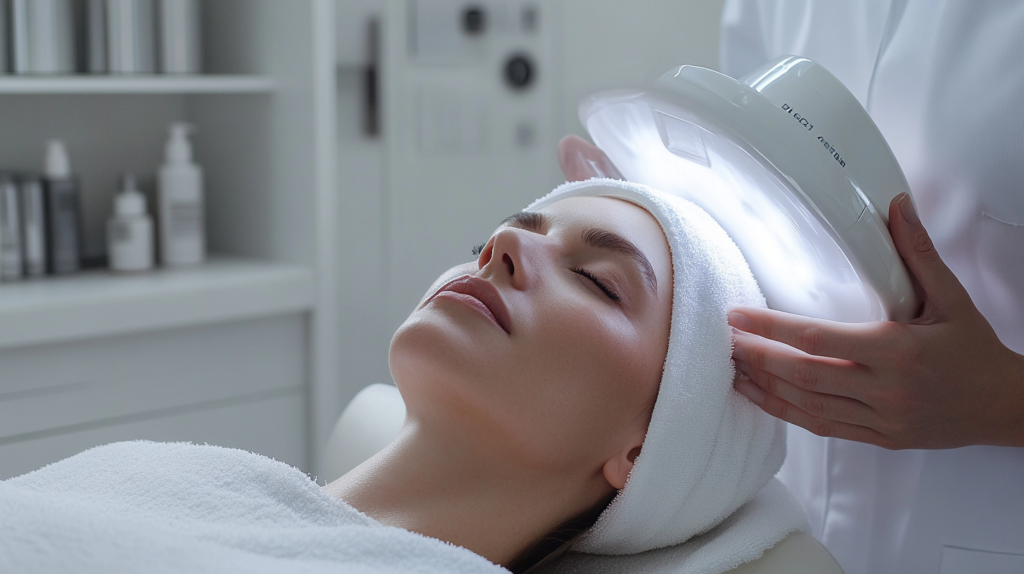
A typical cold laser therapy session may last between 15 and 45 minutes, depending on the size of the area and the purpose of the treatment. The provider positions the handpiece over the treatment area, either in direct contact with the skin or slightly above it. Most patients do not feel heat or pain during the session. Some may notice mild warmth or tingling, while others may feel very little during treatment.
The number of recommended sessions varies. A recent soft tissue concern or post-procedure recovery plan may involve a shorter series, while chronic discomfort or longer-standing tissue concerns may require more sessions before changes are noticeable. The provider may adjust the protocol based on how the patient responds over time.
Blue Point’s team, under the medical direction of Dr. Danka K. Michaels, M.D., evaluates each patient’s candidacy for Phoenix Thera-Lase during a consultation. The assessment may include the nature of the concern, how long it has been present, prior treatments, medications, medical history, and whether another type of medical evaluation should come first.
Safety, Side Effects, and Treatment Comfort
One reason patients are interested in cold laser therapy is that it is non-invasive and typically does not require downtime. Because the treatment does not intentionally remove or injure tissue, there is usually no wound to heal after a session. Many patients return to work, exercise, or daily routines immediately, depending on their overall condition and provider instructions.
Side effects are generally uncommon and may be mild when the treatment is appropriate for the patient. Some patients may report temporary soreness, sensitivity, or a short-term change in symptoms in the treated area. Patients with chronic discomfort may occasionally notice symptoms fluctuate during the early phase of a treatment series. The provider can monitor this response and adjust treatment parameters as needed.
Certain situations may require caution. Cold laser therapy is not typically applied directly over known malignant tumors, the thyroid gland, the uterus during pregnancy, or directly into the eyes. Patients with photosensitivity disorders or those taking medications that increase light sensitivity should disclose this during intake. These considerations are part of the standard safety review at Blue Point Medical Spa.
The distinction between cold lasers and high-powered surgical or ablative lasers matters. Both fall under the broad category of laser-based treatment, but their mechanisms, risks, and applications are different. A provider can explain why Phoenix Thera-Lase may or may not be appropriate based on the patient’s goals and health history.
Cold Laser Therapy as Part of a Broader Plan
Cold laser therapy may be most useful when it is part of a broader care plan rather than a standalone answer to every concern. Patients managing chronic pain or recurring discomfort may also need physical therapy, movement modification, hydration, anti-inflammatory lifestyle strategies, medical evaluation, or other treatments, depending on the underlying issue.
For patients focused on skin recovery, Phoenix Thera-Lase may be discussed alongside topical care, medical-grade skincare, sun protection, and timing after other aesthetic services. Treatment planning should consider the skin’s current condition, the procedure recently performed, and whether the skin is ready for additional supportive care.
Blue Point Medical Spa offers cold laser therapy alongside services such as injectable treatments, body sculpting, facials, microneedling, and other aesthetic options. This allows the team to coordinate services in a logical sequence rather than treating each concern in isolation.
The evidence around photobiomodulation continues to evolve. Researchers continue to study dosing, wavelength selection, timing, and which conditions may respond most predictably. For this reason, patient education should include realistic expectations. Cold laser therapy may support certain recovery processes, but it should not be framed as a guaranteed cure, instant pain elimination, or replacement for appropriate medical care.
What Patients Can Expect During an Appointment
Before a Phoenix Thera-Lase session, the provider reviews the patient’s concern, treatment area, health history, and any contraindications. Patients should share recent procedures, active infections, pregnancy status, cancer history, photosensitivity concerns, and medications that may affect light sensitivity. This intake helps determine whether treatment is appropriate.
During the session, the patient is positioned comfortably while the provider applies the laser handpiece to or near the treatment area. Protective eye measures may be used when appropriate. The session is usually quiet and does not require anesthesia. Most patients describe the experience as comfortable because cold laser therapy does not create the same sensation associated with heat-based aesthetic lasers.
After the session, the provider may review hydration, activity, skincare, or follow-up recommendations depending on the reason for treatment. Patients receiving cold laser therapy after another aesthetic procedure should follow all pre- and post-treatment care guidelines for that primary procedure.
Progress is assessed over time. Some patients may notice changes after a few sessions, while others may require a longer series. The provider may recommend reassessment if symptoms do not improve, worsen, or suggest a condition that requires medical diagnosis outside the med spa setting.
FAQ
Does cold laser therapy hurt?
Cold laser therapy is usually comfortable for most patients. The laser does not generate the type of heat associated with ablative or resurfacing lasers, and the handpiece is placed gently on or near the skin. Some patients may notice mild tingling or warmth, but significant discomfort is not typical.
How soon can patients expect results from cold laser therapy?
The timeline depends on the concern being treated, how long it has been present, and the patient’s individual response. Some patients may notice changes within a few sessions, while chronic discomfort or long-standing tissue concerns may require several weeks of consistent treatment. Results vary, and the provider may adjust the plan based on progress.
Can cold laser therapy be used alongside other med spa treatments?
Cold laser therapy may complement selected treatments such as chemical peels, microneedling, and facial treatments when timed appropriately. The provider coordinates scheduling so the session supports the recovery plan and does not interfere with healing or aftercare instructions.
Conclusion
Phoenix Thera-Lase cold laser therapy may be considered for selected patients who want a non-invasive option to support tissue recovery, discomfort management, or post-procedure wellness planning. It is not appropriate for everyone, and outcomes vary based on the concern being treated, treatment consistency, health history, and individual response.
At Blue Point Medical Spa, patients receive guidance through consultation, professional oversight, and personalized treatment planning. If you are interested in cold laser therapy, book a consultation to discuss whether Phoenix Thera-Lase may be appropriate for your goals.
Individual results vary. A consultation with a licensed provider is required to determine whether treatment is appropriate. Cold laser therapy may involve risks, contraindications, or limitations, and it should not replace medical evaluation for severe, worsening, or unexplained symptoms.