

The body depends on water for nearly every physiological function. It helps regulate temperature, transport nutrients, cushion joints, remove waste through the kidneys, and maintain the volume of blood circulating through the cardiovascular system. When hydration drops below optimal levels, the effects may influence several systems at once. Cognitive function may slow, physical performance may decline, skin may appear less elastic, and the kidneys may work harder to conserve fluid.
For patients in Las Vegas, this question becomes especially practical. Summer temperatures can rise sharply, and the desert air may increase fluid loss through sweat and respiration. Many residents and visitors underestimate how much water they need to maintain adequate fluid balance. At Blue Point Medical Spa, IV hydration is offered as an elective wellness service for selected patients who want more direct fluid replenishment under professional supervision.
Understanding the difference between IV hydration and oral hydration can help patients make a more informed decision. The two approaches are not in competition. Drinking water remains the foundation of daily health, while IV hydration therapy may be considered in specific circumstances when rapid replenishment, digestive limitations, or added electrolyte support are part of the discussion.
How Oral Hydration Moves Through the Body
When a person drinks water, the fluid enters the stomach and then passes into the small intestine, where most absorption occurs. The intestinal lining contains villi and microvilli, which increase the surface area available for absorption. Water crosses the intestinal wall primarily through osmosis, moving from the intestinal space into the blood and lymphatic vessels.
For most healthy people, this process is efficient. A healthy digestive system absorbs a significant portion of the water a person drinks, with much of that absorption occurring in the duodenum and jejunum, the first two segments of the small intestine. Electrolytes such as sodium and potassium help support this process by creating gradients that move water across cell membranes.
This is why oral rehydration solutions may be more effective than plain water in certain dehydration settings. These solutions contain specific combinations of sodium, glucose, and water that help the intestine absorb fluid more efficiently. The same principle explains why hydration is not only about water volume. It is also about electrolyte balance.
The limitation of oral hydration is time. After drinking water, fluid begins reaching the bloodstream gradually. Full rehydration may take longer depending on the degree of fluid deficit, recent activity, food intake, and gastrointestinal function. If a person is only mildly dehydrated and can drink comfortably, this pathway is usually effective and appropriate.
Some conditions may reduce the effectiveness of oral intake. Nausea, vomiting, diarrhea, and certain malabsorption conditions may prevent the body from absorbing fluids at the rate needed. In those situations, a provider may discuss whether IV hydration or another level of care is appropriate based on symptoms and medical history.

How IV Hydration Bypasses Digestion
Intravenous hydration bypasses the digestive tract. A small catheter placed into a peripheral vein delivers fluid directly into the bloodstream, where it becomes available to the cardiovascular system without waiting for digestion or intestinal absorption. The infused fluid is typically a solution such as normal saline or lactated Ringer’s solution, depending on the patient’s needs and provider recommendation.
The key difference is bioavailability. Fluid delivered through an IV enters circulation directly rather than passing through the stomach and intestines first. This is why IV fluids are commonly used in hospitals and clinical settings for patients who are significantly dehydrated, unable to tolerate oral fluids, or need more immediate support.
In a medical spa setting, the patient population is different. Patients are typically not in an emergency medical crisis. They may be experiencing mild dehydration from heat exposure, travel, exercise, alcohol intake, or lifestyle factors, or they may be interested in wellness support under clinical supervision. For these patients, the appeal of IV hydration therapy is speed, controlled fluid delivery, and the ability to include selected electrolytes or nutrients when appropriate.
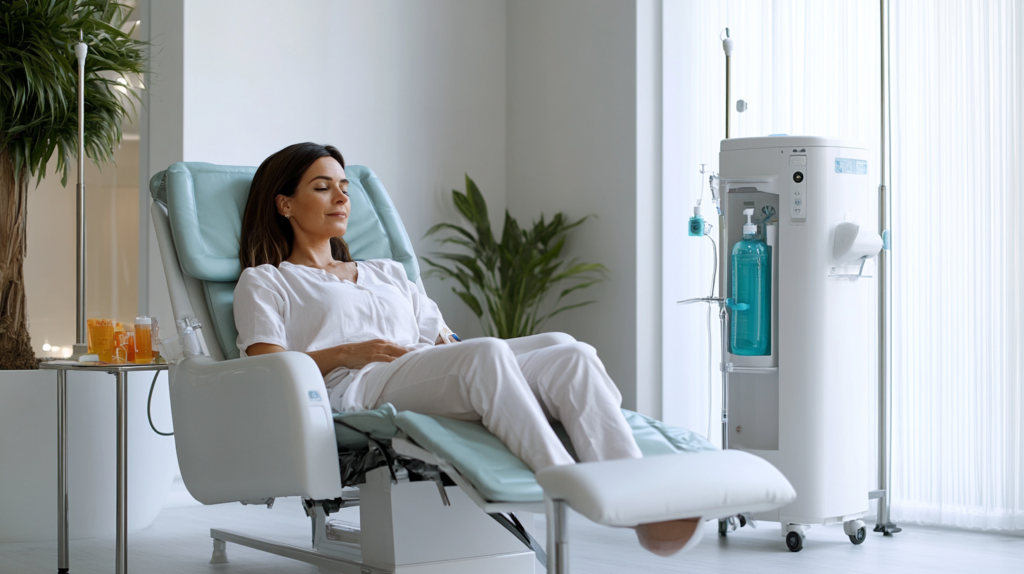
At Blue Point Medical Spa, IV hydration sessions are administered by trained providers in a clinical environment. The process includes a health intake and monitoring during the infusion. Patients can also learn more about the clinical team before scheduling.
Absorption Rate and When Speed Matters
The most significant difference between oral hydration and IV hydration is the rate at which fluid becomes available to the body. Oral intake depends on several steps, including gastric emptying, intestinal transit, and absorption through the small intestine. IV delivery bypasses those steps and places fluid directly into circulation.
For a patient who is mildly dehydrated after time outdoors in the Las Vegas heat, drinking water may begin to help within a reasonable period. However, full correction may take longer depending on the level of dehydration, activity, and ongoing fluid loss. An IV infusion delivers a controlled amount of fluid into the bloodstream during the session, which may be useful when speed is part of the patient’s goal.
This difference may matter when the digestive system is not functioning well. A patient experiencing nausea after travel may not be able to drink enough water comfortably. A patient recovering from intense physical exertion may have lost fluid and electrolytes through sweat and may want more structured replenishment. Patients preparing for or recovering from events in extreme heat may also ask about IV hydration because oral intake alone may not feel sufficient.
For patients in normal health who are not acutely dehydrated and whose digestion is functioning well, daily oral hydration is usually enough. The intestines are designed to absorb water efficiently. Consistent water intake, adequate electrolytes from food, and attention to heat exposure remain the first line of support.
Electrolytes, Nutrients, and Fluid Balance
Hydration is not only about water. Electrolyte balance affects how water moves between the bloodstream, tissues, and cells. Sodium, potassium, chloride, calcium, and magnesium help maintain fluid balance, nerve signaling, muscle function, and cardiovascular stability.
Drinking large amounts of plain water without adequate electrolytes may dilute sodium concentration in the blood in rare or extreme circumstances. This condition, called hyponatremia, can be serious. Most people do not need to worry about this with normal water intake, but it illustrates why hydration and electrolytes are connected.
Oral rehydration solutions are designed to support absorption through a specific combination of sodium, glucose, and water. Sports drinks may also provide electrolytes, although some contain higher sugar levels or additives that may not be ideal for every patient. Food can also contribute to electrolyte intake through balanced nutrition.
IV hydration solutions may contain controlled electrolyte concentrations. Normal saline provides sodium and chloride. Lactated Ringer’s includes sodium, chloride, potassium, calcium, and lactate. In some wellness settings, IV formulations may also include B-complex vitamins, vitamin C, magnesium, or other nutrients based on the patient’s goals and provider evaluation.
Patients interested in nutrient support should understand that more is not always better. Added nutrients should be selected thoughtfully, especially for patients with kidney disease, heart conditions, medication interactions, pregnancy, or other health concerns. A provider consultation helps determine whether a specific formula is appropriate.
IV Hydration and Aesthetic Wellness Goals
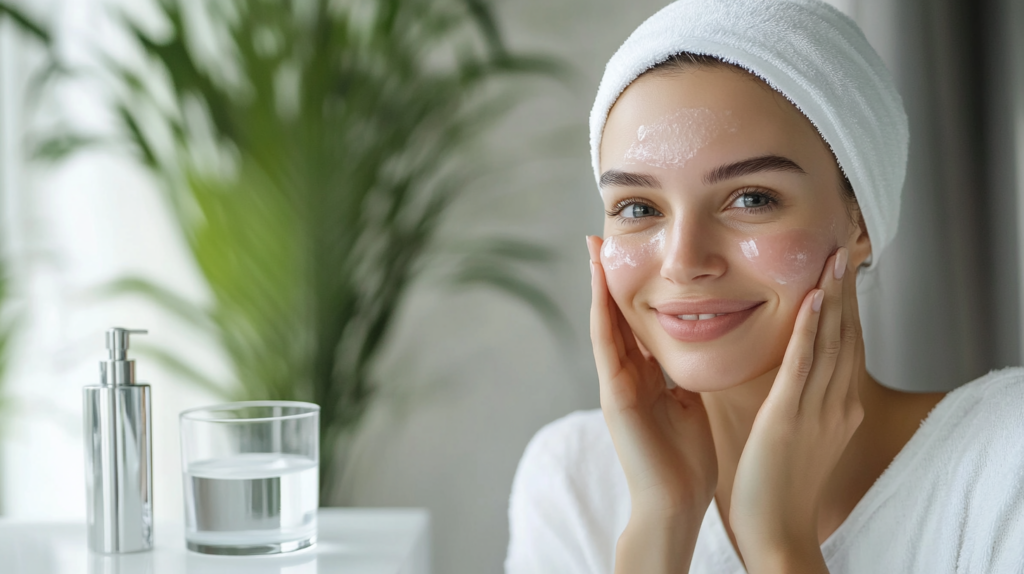
Some patients ask whether IV hydration may support their skin or aesthetic wellness routine. Hydration can influence how the skin feels and appears, particularly when a person is dehydrated. Dehydrated skin may feel tight, look dull, or show fine lines more prominently. Replenishing fluids may temporarily improve the appearance of dryness or tired-looking skin in some patients.
However, IV hydration should not be presented as a replacement for skin treatments, sunscreen, medical-grade skincare, or healthy daily habits. Skin quality depends on several factors, including collagen, elastin, barrier function, pigmentation, inflammation, sleep, nutrition, sun exposure, and age. Hydration is one piece of a broader skin health picture.
For patients who receive aesthetic services such as chemical peels, facials, or laser treatments, appropriate hydration may support comfort and general wellness during the recovery period. Patients should also follow all pre- and post-treatment care guidelines provided by their provider.
A consultation can help determine whether IV hydration therapy fits into a patient’s broader wellness plan. For some patients, an IV session may be reasonable after travel, heat exposure, or intense activity. For others, improving oral fluid intake, nutrition, and daily skincare may be the more appropriate starting point.
Choosing Between IV Hydration and Drinking Water
The choice between IV hydration and drinking water depends on the situation. It is not accurate to say that one method is always better than the other.
Oral hydration is the appropriate daily approach for most people. It is accessible, inexpensive, and effective for maintaining baseline fluid balance in a healthy person. Drinking water throughout the day, adjusting intake for heat and activity, and eating electrolyte-containing foods can help the body maintain hydration under normal circumstances.
IV hydration may be considered when oral intake is insufficient, impractical, or slower than the patient would like. Patients who are already dehydrated and experiencing symptoms such as headache, dizziness, fatigue, or dark urine may ask whether IV fluids are appropriate. Patients who cannot tolerate enough fluids due to nausea may also benefit from a professional evaluation.
The two approaches can also work together. A patient who receives an IV hydration session should still drink water afterward and maintain daily oral intake. IV therapy may offer short-term replenishment, but it does not replace consistent hydration habits.
Patients in Las Vegas may need to be especially mindful of ongoing fluid loss during hot months. The dry climate can make sweat evaporate quickly, which means people may lose fluid without realizing it. Daily hydration planning remains important, even for patients who occasionally choose IV hydration therapy.
Safety and Professional Oversight
IV hydration is a medical procedure, even when used for wellness purposes. It requires proper technique, sterile placement, and clinical awareness. Complications are uncommon, but they can occur. These may include infiltration, which happens when fluid leaks into surrounding tissue, phlebitis, which is irritation or inflammation of the vein, bruising, discomfort, or rare reactions to added nutrients.
Not every patient is a candidate. Patients with heart failure, kidney disease, uncontrolled high blood pressure, fluid regulation concerns, pregnancy, or certain medication considerations may need additional evaluation or may be advised against IV therapy. A thorough intake helps the provider screen for these issues before treatment.
At Blue Point Medical Spa, IV hydration is offered under the oversight of Dr. Danka K. Michaels, M.D., a board-certified physician. The clinical setting, trained providers, and medical oversight help distinguish professional IV wellness therapy from settings that may not perform the same level of review.
Patients can review the spa environment and provider credentials before scheduling. They should also ask questions about formula ingredients, expected duration, possible side effects, contraindications, and what symptoms should prompt follow-up.
FAQ
Can IV hydration replace daily water intake?
No. IV hydration is not designed to replace daily oral water consumption. It may be considered as a supplemental or occasional option when rapid fluid replenishment is desired or when oral intake is limited. Daily water intake remains the foundation of healthy hydration.
How long do the effects of an IV hydration session last?
The perceived effects of an IV hydration session vary based on activity level, heat exposure, baseline hydration, and overall health. Some patients may feel benefits for 24 to 72 hours, while others notice more subtle changes. Ongoing water intake is still needed after the session.
Does IV hydration improve skin appearance?
Hydration may temporarily support the appearance of skin that looks dull or feels tight due to dehydration. However, longer-term skin improvement usually requires a broader plan that may include professional skincare treatments, sunscreen, home care, nutrition, and consistent hydration habits.
Conclusion
IV hydration and drinking water serve different roles. Drinking water supports daily fluid balance and should remain the foundation of hydration. IV hydration therapy may offer more direct fluid delivery for selected patients, especially when heat, travel, exercise, or limited oral intake has contributed to dehydration.
At Blue Point Medical Spa, patients receive IV hydration in a clinical environment with consultation, professional oversight, and individualized recommendations. If you are considering IV hydration for wellness, recovery, travel, or Las Vegas heat exposure, book a consultation to discuss whether treatment may be appropriate for you.
Individual results vary. A consultation with a licensed provider is required to determine whether IV hydration is appropriate. IV therapy is elective and may involve risks, side effects, contraindications, or medication considerations. It should not replace daily hydration, emergency care for severe dehydration, or medical evaluation for concerning symptoms.