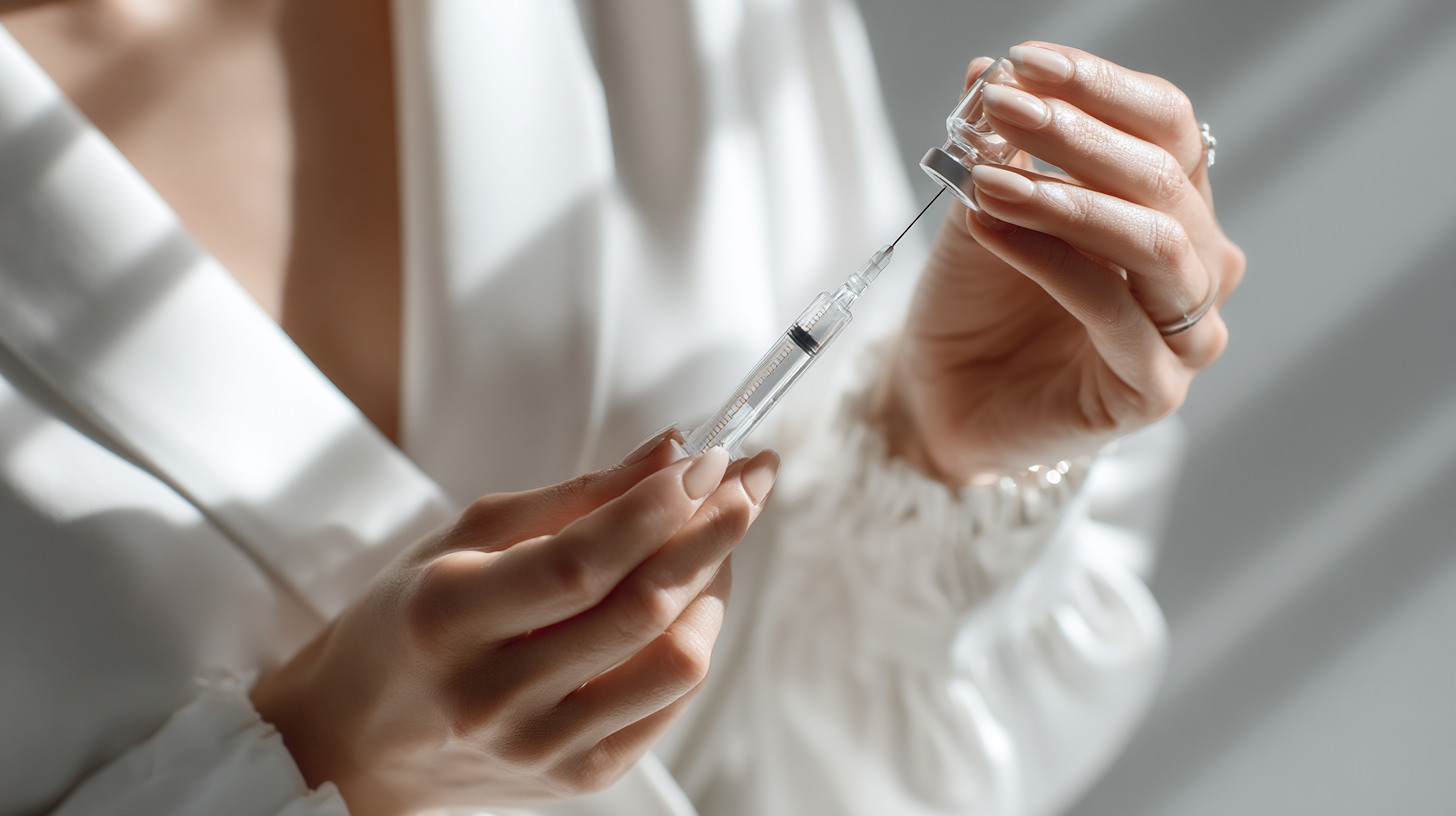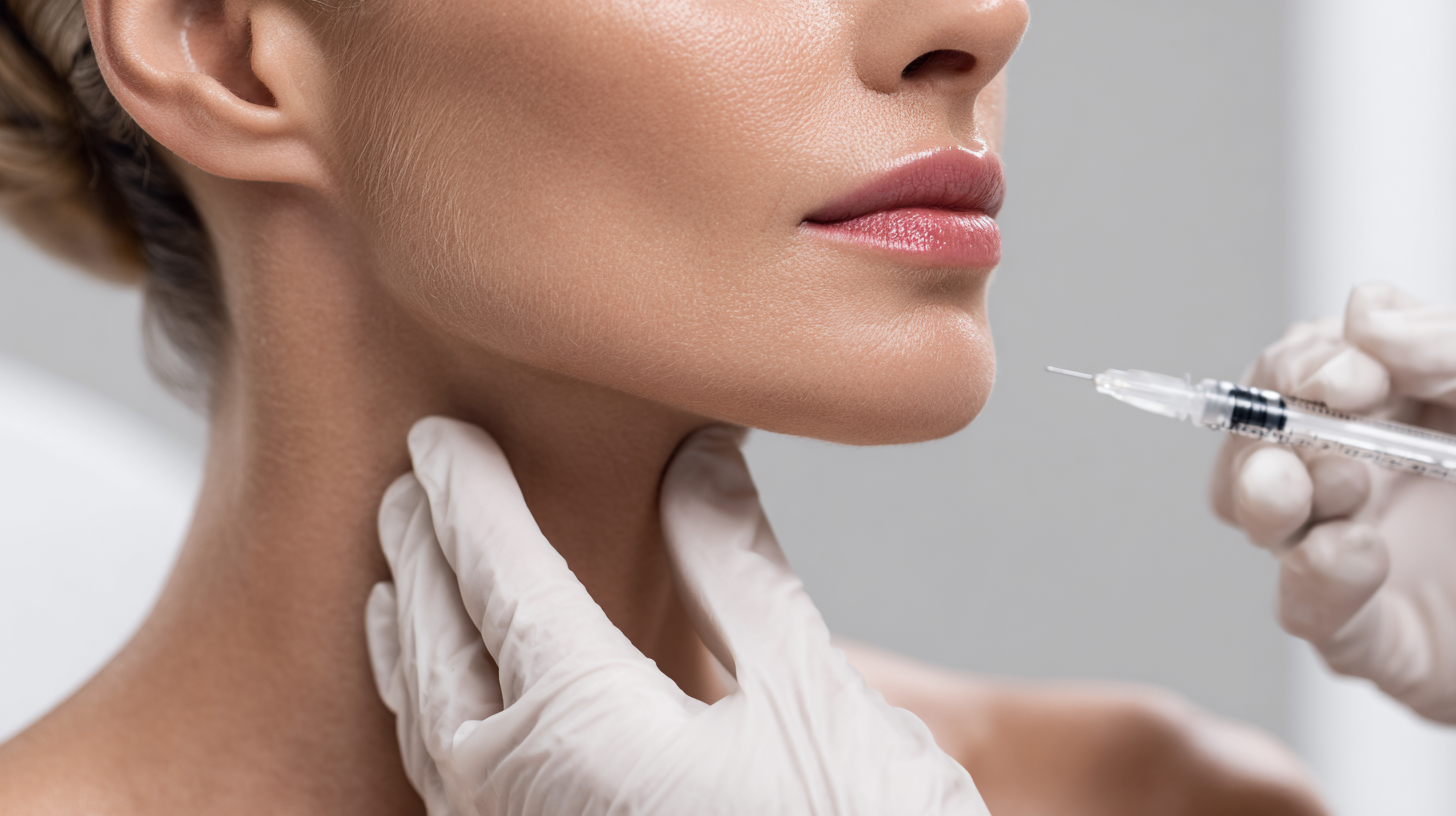

Summer in Las Vegas places unique stress on the skin. High temperatures, low humidity, intense UV exposure, dry wind, and frequent indoor air conditioning can all affect hydration, sensitivity, tone, and overall skin health. For many patients, the same routine that works during cooler months may not provide enough support during peak summer.
The goal of a summer skincare routine is not to overcorrect the skin or use the strongest products available. Instead, summer care should focus on protection, hydration, barrier support, and careful timing of professional treatments. This approach may help reduce irritation, dryness, and visible photodamage while supporting healthier-looking skin over time.
At Blue Point Medical Spa, patients receive skin guidance based on consultation, skin analysis, lifestyle, sun exposure, and individual goals. A summer plan may include daily broad-spectrum sunscreen, hydration-focused skincare, antioxidant support, and treatments chosen carefully for the Las Vegas climate.
Las Vegas Summer UV and Skin Stress
UV radiation is one of the most important summer concerns for skin in Las Vegas. The city’s location in the Mojave Desert, high number of sunny days, and strong midday sun can increase cumulative exposure over time. Patients who spend time outdoors, drive frequently, attend pool events, or work near windows may receive more UV exposure than they realize.
UVB rays are associated with sunburn and surface-level damage in the epidermis. Repeated UVB exposure may contribute to inflammation, roughness, and uneven skin texture. UVA rays penetrate deeper into the dermis and may contribute to collagen breakdown, elastin damage, and visible photoaging.
The face, neck, chest, hands, and forearms often show the most visible effects because they are exposed more consistently. Patients may notice sun spots, dullness, redness, rough texture, or deeper-looking fine lines after repeated summers without adequate protection.
Not every visible change is caused by the sun alone. Genetics, age, skincare habits, hydration, and medical history also matter. However, strong UV exposure can accelerate concerns that many patients later seek to improve with laser treatments, chemical peels, or medical-grade skincare.
Because prevention is easier than correction, summer is the season to prioritize daily protection. Patients can also learn more about how the environment affects skin through Blue Point’s guide to environmental factors that affect skin health.
Sun Protection as the Foundation of Summer Skincare
No summer routine is complete without sun protection. Hydrating serums, antioxidants, facials, and professional treatments may support the skin, but they cannot replace consistent protection from UVA and UVB exposure.
A broad-spectrum sunscreen with SPF 30 or higher should be used daily. “Broad-spectrum” means the product helps protect against both UVA and UVB rays. Patients who spend extended time outdoors may prefer SPF 50, especially during pool days, hiking, sports, or long commutes.
Both mineral sunscreens and chemical sunscreens may be effective when used correctly. Mineral sunscreens with zinc oxide or titanium dioxide sit on the skin’s surface and reflect or scatter UV rays. These may be preferred for some patients with sensitive skin, rosacea, or skin recovering from professional treatments.
Application technique matters. Many patients apply too little sunscreen, which reduces the effective protection. Sunscreen should be applied generously to the face, neck, ears, chest, and hands when exposed. Reapplication is also important, especially during sweating, swimming, outdoor activity, or prolonged sun exposure.
Sun protection should not rely on sunscreen alone. Sun-protective clothing, wide-brimmed hats, UV-blocking sunglasses, shade, and avoiding peak sun hours may all help reduce cumulative exposure. In Las Vegas summer, these habits are part of long-term skin health, not just short-term sunburn prevention.
Patients planning treatments such as microneedling or peels should be especially careful with sun exposure before and after their appointment. Blue Point’s pre- and post-treatment care guidelines can help patients understand why timing and protection matter.
Hydration Support in Extreme Heat and Low Humidity
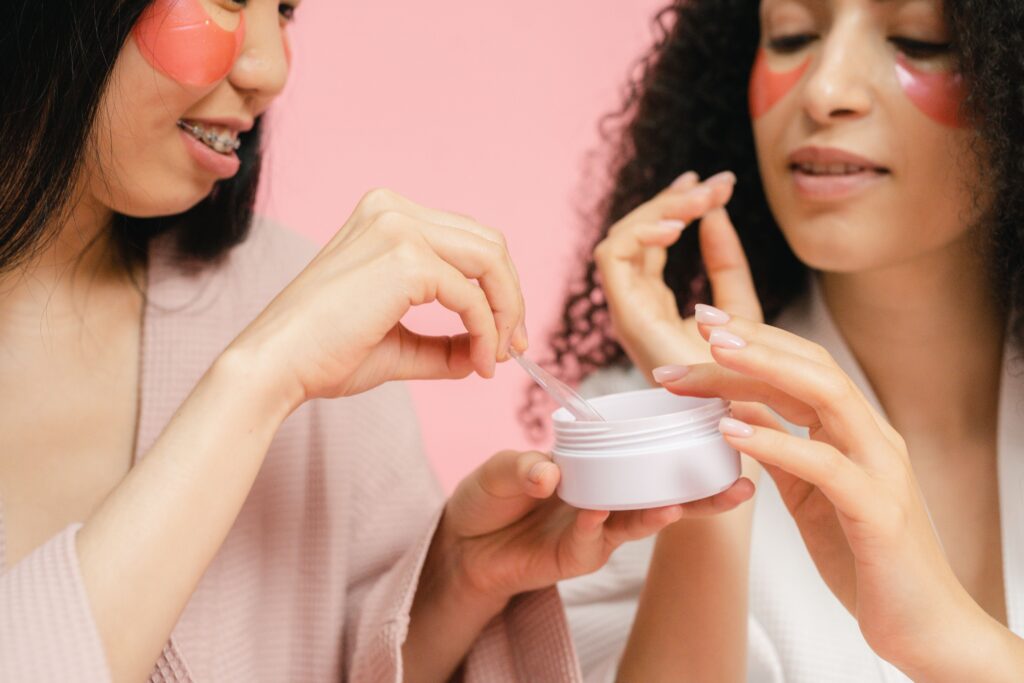
The Las Vegas summer can make the skin feel tight, dry, or rough because low humidity increases water loss from the skin. This process, called transepidermal water loss, occurs when moisture evaporates from the outer layers of the skin. Heat, wind, sun exposure, and indoor air conditioning can make this effect more noticeable.
A hydration-focused routine should do two things: attract water into the skin and help keep it there. Humectants such as hyaluronic acid and glycerin may help draw water into the outer skin layers. These ingredients often work best when applied to slightly damp skin and followed with a moisturizer.
Moisturizers with ceramides, cholesterol, fatty acids, and squalane may help support the skin barrier. A stronger barrier can reduce water loss and make the skin feel more comfortable. Patients with dry or sensitive skin may need a richer moisturizer in summer than they expect, especially if they spend many hours in air conditioning.
Internal hydration also matters. Drinking water does not replace topical skincare, but dehydration may make the skin appear dull, crepey, or less resilient. Patients who consume alcohol or caffeine or spend time outdoors may need to be more mindful of hydration during summer.
Blue Point offers professional skincare guidance and medical-grade skincare options that may support hydration and barrier function when chosen appropriately. The best product plan depends on skin type, sensitivity, active ingredients, and treatment history.
Adjusting Active Ingredients During Summer
Some active ingredients that work well in cooler months may need adjustment during summer. The goal is to keep supporting the skin without increasing unnecessary irritation, dryness, or photosensitivity.
Retinoids may support cell turnover, texture, and collagen-related skin quality, but they can also cause dryness, peeling, or sensitivity if used too often. During summer, some patients may need to reduce frequency, use a lower strength, or focus more on barrier support. Others may tolerate their usual routine well with careful sunscreen use.
Vitamin C serums may be helpful in a summer routine because they provide antioxidant support. Antioxidants may help defend against free radicals generated by UV exposure and pollution. Vitamin C is commonly used in the morning under sunscreen, but the product should be selected based on skin tolerance.
Alpha hydroxy acids, such as glycolic acid and lactic acid, may help exfoliate dull surface cells, but they can increase sensitivity if overused. Patients using AHAs should be especially careful with sunscreen and should avoid combining too many exfoliating products at once.
Beta hydroxy acid, such as salicylic acid, may be useful for some patients with oily or acne-prone skin. However, even acne-focused routines should protect the skin barrier. Over-drying the skin can trigger more irritation and may worsen the appearance of redness or flaking.
A provider can help adjust a home routine based on the patient’s summer exposure, skin type, and treatment plan. Blue Point’s guide to at-home skincare and professional treatment results explains why consistency between appointments matters.

Professional Treatments That May Fit the Summer Season
Not every professional treatment is ideal during peak summer. Some treatments may fit the season well, while others may be better timed for fall or winter when UV exposure is easier to control. The right choice depends on skin type, recent sun exposure, pigment risk, treatment intensity, and aftercare.
Hydrating facials are often a good summer option for selected patients. They may help support hydration, congestion, dullness, and barrier comfort without significant downtime. A medical-grade facial may be used as maintenance when the skin feels dry, tired, or heat-stressed.
Gentle chemical peels may be considered for some patients during summer, but timing and aftercare matter. Deeper peels or aggressive exfoliation may increase the risk of irritation or post-inflammatory hyperpigmentation, especially when sun exposure is difficult to avoid.
Laser treatments should be scheduled carefully. Some laser services require strict sun avoidance before and after treatment. More intensive resurfacing treatments are often better suited for cooler months when recovery conditions are easier to manage.
Microneedling may be performed in selected patients during summer, but the skin must be protected while it heals. Patients should avoid direct sun exposure after treatment and follow the provider’s instructions closely.
The Blue Point team can help patients decide which treatments are appropriate during summer and which should be saved for a later season. A seasonal approach may reduce unnecessary irritation and support better long-term planning.
Summer Treatment Timing in Las Vegas
Treatment timing is especially important in Las Vegas summer because heat and UV exposure can complicate aftercare. Patients should consider vacations, outdoor events, pool days, hiking, sports, and travel before booking treatments that require recovery.
If a patient has a major outdoor event scheduled, a provider may recommend postponing peels, lasers, microneedling, or other treatments that increase sun sensitivity. Even a treatment with minimal downtime may require sun precautions that are difficult during heavy summer activity.
Patients should also avoid scheduling aggressive treatments immediately after sunburn, recent tanning, or prolonged UV exposure. Irritated or tanned skin may be more reactive and may have a higher risk of uneven pigment response.
For some patients, summer is best used for maintenance treatments, hydration support, skincare adjustments, and sunscreen discipline. More corrective treatments can be planned from fall through spring, when sun avoidance may be easier.
Repairing the Look of Summer Skin After Peak Heat
Even with strong prevention, some patients notice skin changes after summer. These may include new hyperpigmentation, rougher texture, clogged pores, dryness, redness, or more visible fine lines. Fall can be a useful time to reassess and adjust the plan.
A post-summer skin assessment may help identify whether the main concern is dehydration, barrier damage, pigmentation, collagen-related texture, or sun-related discoloration. Different concerns require different treatments, so evaluation matters.
For some patients, a series of chemical peels may help improve the appearance of dullness and uneven tone. Others may benefit from laser treatments for selected pigment or resurfacing concerns. Microneedling may be discussed for texture, acne scars, or collagen support.
Professional skincare may also be adjusted after summer. A patient may need more barrier repair, a pigment-focused product, or a gradual reintroduction of retinoids. The plan should be based on the current skin condition rather than a fixed routine.
Blue Point’s professional-grade products may help support the skin between seasonal treatments when recommended by a provider.
Summer Skincare for Oily and Acne-Prone Skin
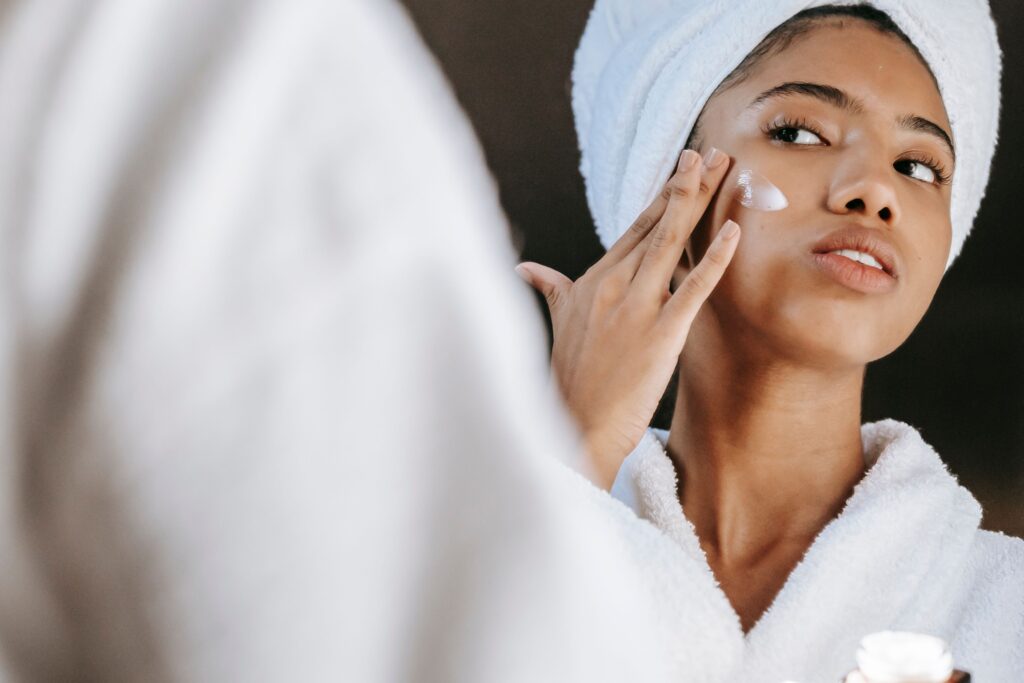
Patients with oily skin may assume they do not need hydration during summer, but oil and water are not the same. Skin can be oily and dehydrated at the same time. When the barrier is stripped by harsh cleansers or drying products, the skin may feel tight while still producing excess oil.
A better approach is to use a gentle cleanser, lightweight hydrating serum, oil-free moisturizer, and non-comedogenic sunscreen. Patients with acne-prone skin may need salicylic acid, benzoyl peroxide, or prescription support, but these should be balanced with barrier care.
Over-exfoliating is a common summer mistake. Scrubs, strong acids, and frequent active ingredients may make the skin more irritated, especially in heat and sun. A provider can help determine how often exfoliation is appropriate.
Professional facials may help with congestion, oil balance, and hydration when selected appropriately. Patients with active acne may also ask about acne-focused skincare or the Blue Point acne treatment line.
The goal is to manage shine and breakouts without compromising the barrier that protects the skin.
FAQ
What type of sunscreen is best for the Las Vegas summer?
A broad-spectrum sunscreen with SPF 30 or higher is recommended for daily use, while SPF 50 may be preferred for extended outdoor exposure. Mineral sunscreen with zinc oxide or titanium dioxide may be a good option for sensitive skin or post-treatment skin. The best sunscreen is one that the patient can apply generously and reapply consistently.
How can oily skin stay hydrated without feeling greasy?
Patients with oily skin can use lightweight hydration instead of heavy creams. A gel-based moisturizer, hyaluronic acid, glycerin, and a non-comedogenic sunscreen may help support moisture without clogging pores. Harsh drying products should be avoided because they may irritate the barrier and trigger more oiliness.
When should patients prepare their skin for the Las Vegas summer?
Many patients benefit from preparing in spring, before temperatures and UV exposure peak. This may include updating sunscreen, adjusting active ingredients, adding antioxidants, and scheduling treatments that require more recovery before summer begins. A provider can help create a seasonal plan based on skin type and lifestyle.
Conclusion
Summer skincare in Las Vegas should focus on protection, hydration, barrier support, and smart treatment timing. Strong sun, dry air, high heat, and indoor air conditioning may all affect the skin, but a thoughtful plan can help reduce irritation and support healthier-looking skin.
At Blue Point Medical Spa, patients receive skincare guidance through consultation, education, and professional oversight. If your summer routine is not keeping up with the Las Vegas heat, book a summer skincare consultation to build a plan that fits your skin and lifestyle.
Individual results vary. A consultation with a licensed provider is required to determine whether skincare products or professional treatments are appropriate. Aesthetic services are elective and may involve risks, side effects, contraindications, downtime, irritation, redness, peeling, pigmentation changes, or limited response. Recommendations may vary based on skin type, medical history, medications, sun exposure, treatment history, climate exposure, and individual response.