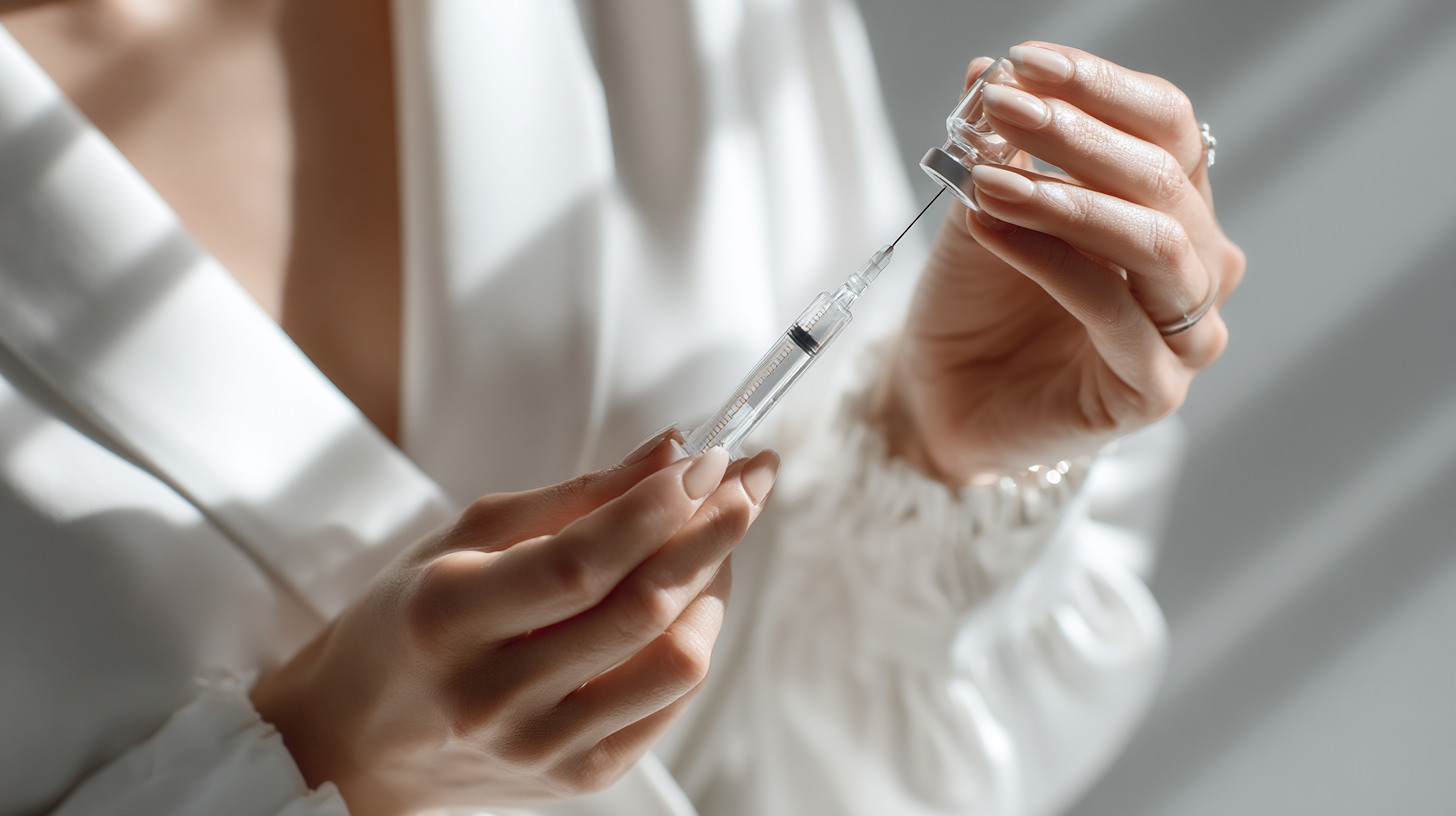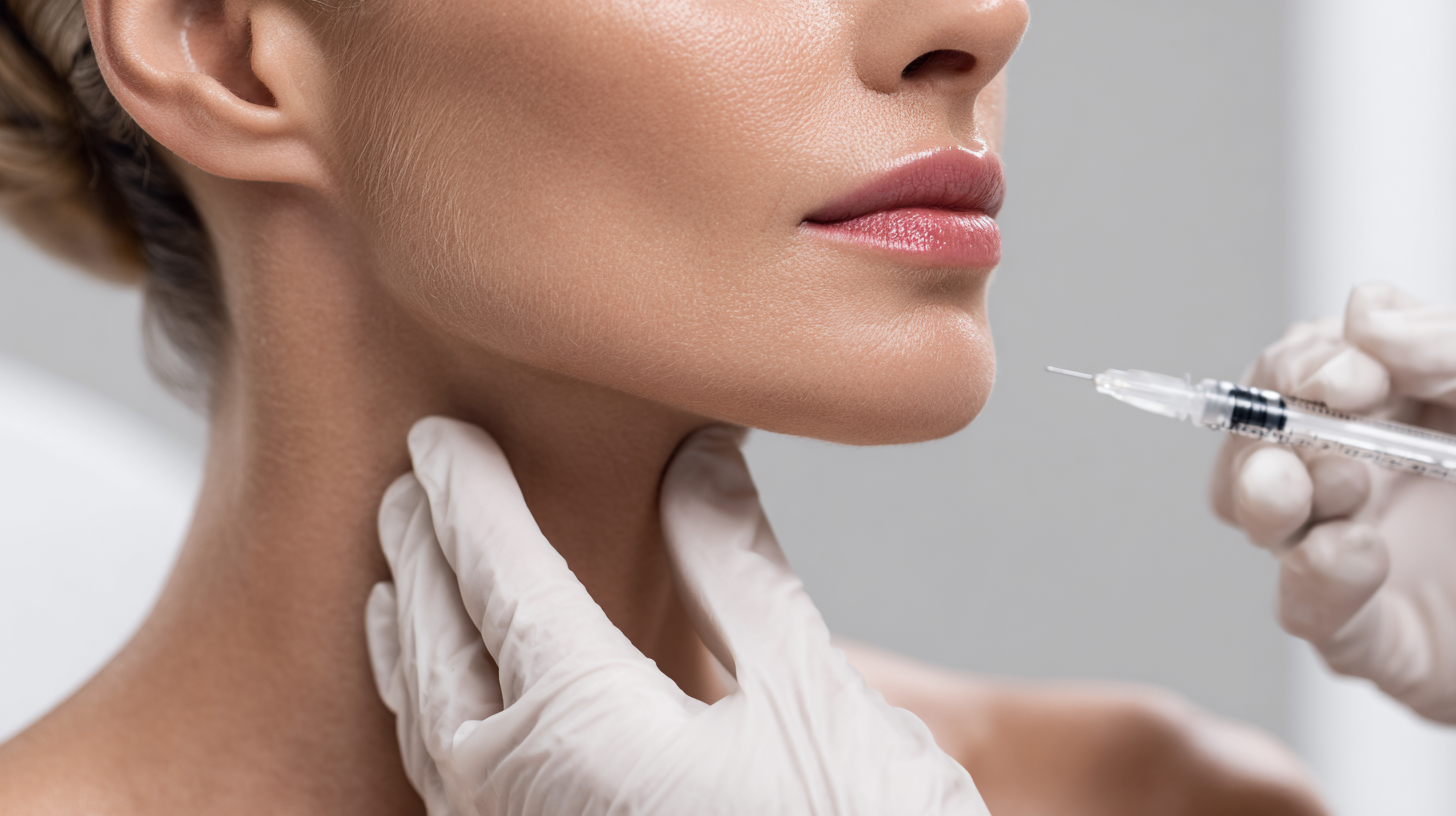

IV therapy, short for intravenous therapy, delivers fluids, vitamins, minerals, and selected nutrients directly into the bloodstream through a small catheter placed in a vein. This method bypasses the digestive system, which means the administered fluid and nutrients enter circulation without first passing through the stomach and intestines. Medical professionals have used intravenous delivery for decades in clinical settings to support hydration, nutrient delivery, and acute care needs. In recent years, IV wellness therapy has also become available in medical spa settings as an elective service for hydration, recovery, and general wellness support.
At Blue Point Medical Spa, IV therapy is administered by licensed providers in a controlled clinical environment. The treatment is not a substitute for medical care, and it should not be described as a cure or guaranteed solution for fatigue, illness, or nutrient concerns. Instead, it may be considered a supportive wellness option for selected patients when hydration, nutrient status, or recovery support is part of the conversation.
Intravenous Nutrient Delivery and Absorption
When a person takes a vitamin supplement or mineral supplement by mouth, it passes through the stomach and intestines before reaching the bloodstream. Along the way, digestive enzymes, stomach acid, and the absorptive lining of the intestinal wall influence how much of the nutrient ultimately enters circulation. This is known as bioavailability, which refers to the proportion of a substance that reaches systemic circulation and becomes available for the body to use.
Oral bioavailability varies depending on the nutrient, dose, digestive function, and individual health factors. Some nutrients have absorption limits when taken orally. Vitamin C, for example, has an oral absorption ceiling, meaning blood levels do not continue to rise indefinitely as intake increases. The body absorbs what it can use within a certain range and excretes excess amounts through the kidneys.
IV therapy follows a different pathway. Because the infusion bypasses the gastrointestinal tract, intravenous infusion allows fluids and nutrients to enter the bloodstream directly. This can create higher circulating levels than oral intake for certain substances, although whether that produces a meaningful wellness benefit depends on the patient’s baseline status, overall health, and the specific ingredients used.
This distinction is the foundation of IV wellness therapy, but it should be interpreted carefully. Higher availability does not automatically mean every patient will feel a dramatic difference. A dehydrated patient, depleted after travel, or unable to tolerate oral intake may respond differently than someone who is already well hydrated and nutritionally replete. Patients interested in IV support can discuss their goals during a consultation with the Blue Point team.
Common IV Formulations and Wellness Goals
IV therapy formulations are often tailored to different wellness goals. The specific ingredients may vary by provider, but most medical spa IV options begin with a fluid base and may include electrolytes, vitamins, minerals, or antioxidants, depending on patient needs and provider evaluation.
Hydration-focused infusions typically use a base such as normal saline or lactated Ringer’s solution. These isotonic fluids support fluid balance and provide electrolytes that help maintain circulation and cellular function. Hydration-focused formulas may be considered for patients experiencing dehydration from heat exposure, travel, illness recovery, or strenuous physical activity. In the Las Vegas desert climate, where heat and dry air may increase fluid loss, hydration can become an important wellness concern.
Vitamin and mineral infusions may add nutrients such as B-complex vitamins, vitamin B12, vitamin C, magnesium, or calcium to the fluid base. One commonly known formulation is the Myers’ cocktail, which includes several vitamins and minerals used in integrative wellness settings. Some patients seek these infusions for general wellness support, though responses vary and clinical evidence differs by ingredient and indication.
Glutathione infusions deliver glutathione, an antioxidant involved in cellular processes and the neutralization of reactive oxygen species. Some patients are interested in glutathione because of its role in oxidative stress and skin appearance. However, it should not be presented as a guaranteed skin-brightening or detox treatment. Patients with skin health concerns may also discuss treatment options such as chemical peels, facials, or medical-grade skincare during consultation.
NAD+ infusions deliver nicotinamide adenine dinucleotide, a coenzyme involved in metabolic reactions, cellular energy production, and DNA repair pathways. NAD+ infusions are often administered more slowly than standard hydration drips because some patients may experience nausea, flushing, or discomfort if infused too quickly. The provider determines timing and appropriateness based on the patient’s health history and goals.

Situations Where IV Therapy May Be Considered
IV therapy in a medical spa setting is not intended to diagnose, treat, or cure disease. It may be considered as a supportive wellness service in situations where hydration, electrolyte balance, or nutrient support may be relevant.
Patients recovering from intense physical activity, athletic events, travel, or heat exposure may ask about rapid fluid and electrolyte replenishment. Oral hydration is effective for most daily needs, but some patients may want a more direct option when they feel depleted or when nausea makes drinking large volumes of fluid difficult. A provider can help determine whether IV hydration is reasonable or whether symptoms require medical evaluation elsewhere.
Travel fatigue is another reason some patients seek IV wellness therapy. Long flights, disrupted sleep, alcohol intake, and low cabin humidity may contribute to dehydration or a general feeling of depletion. A hydration infusion with selected vitamins may help some patients feel more balanced, but results vary and should not be guaranteed.
Patients preparing for or recovering from elective aesthetic procedures may also ask whether IV therapy can complement their plan. Appropriate hydration and nutrient status may support normal healing processes, including tissue repair after treatments such as microneedling, laser treatments, or chemical peels. IV therapy is not required for these services, but some patients choose it as part of a broader wellness routine when medically appropriate.
Patients experiencing low energy, mental fog, or seasonal fatigue sometimes explore IV therapy because nutrient gaps may contribute to these concerns. Deficiencies in vitamin B12, magnesium, or iron can contribute to fatigue, but these should ideally be evaluated with appropriate testing and medical review. IV supplementation may be discussed when absorption issues, dietary limitations, or other factors are present, but persistent fatigue should not be self-treated without proper evaluation.
What Happens During an IV Therapy Session
An IV therapy session at a medical spa typically begins with a health intake. The provider reviews medical history, current medications, allergies, recent symptoms, pregnancy status, and the reason for seeking treatment. This review helps determine whether the patient is a candidate and which infusion formula may be appropriate.
Once the formula is selected, the provider places a small catheter into a vein, usually in the forearm or back of the hand. The IV infusion is delivered at a controlled rate while the patient relaxes in a treatment chair. Most standard infusions take about 30 to 60 minutes, although NAD+ infusions and certain higher-dose formulations may take longer.
During the infusion, patients are monitored for comfort and response. At Blue Point Medical Spa, the environment is designed to combine clinical safety with spa-level comfort. Some patients may notice a cooling sensation, mild taste changes, warmth, or slight soreness at the insertion site, depending on the formula and their individual response.
After the infusion is complete, the catheter is removed, and the site is bandaged. Most patients return to normal activities afterward unless the provider gives different instructions. Patients should continue drinking water and following daily wellness habits because IV therapy is not a replacement for consistent oral hydration, nutrition, sleep, or medical care.

Safety Considerations and Candidacy
IV therapy is a medical procedure, even when offered for wellness. The placement of a catheter into a vein carries small but real risks, including infection, bruising, vein irritation, discomfort, or infiltration, which occurs when fluid leaks into surrounding tissue. Allergic reactions to added nutrients are uncommon but possible.
Candidacy depends on the patient’s health status. Patients with kidney disease, heart failure, uncontrolled high blood pressure, certain electrolyte disorders, or conditions that affect fluid balance may not be appropriate candidates because added fluid volume or nutrients could place stress on the body. Patients taking blood thinners, patients with difficult venous access, and patients with medication sensitivities should disclose this information during intake.
At Blue Point Medical Spa, IV therapy is overseen by Dr. Danka K. Michaels, M.D, and administered by licensed providers trained in intravenous access and patient monitoring. This clinical oversight helps ensure that formulations are selected thoughtfully and delivered in a controlled setting.
Patients are encouraged to bring recent blood work or discuss whether testing may be appropriate before starting repeated IV wellness therapy. This is especially important when a patient is seeking vitamin or mineral support, because more supplementation is not always better.
IV Therapy as a Wellness Service, Not a Medical Replacement
IV therapy in a medical spa setting should be understood as a wellness service, not a replacement for diagnosis or medical treatment. Patients experiencing severe dehydration, persistent vomiting, chest pain, fainting, confusion, severe weakness, signs of infection, or unexplained symptoms should seek appropriate medical care rather than scheduling a wellness infusion.
The value of med spa IV therapy is its supportive role. For otherwise stable patients who want to support hydration, recovery, travel wellness, or nutrient intake under professional guidance, IV therapy may be one component of a broader health and beauty routine. It works best alongside adequate sleep, balanced nutrition, regular oral hydration, and appropriate skincare.
Patients considering IV therapy alongside aesthetic treatments at Blue Point Medical Spa can discuss a coordinated plan during the medical spa consultation process. The team can help schedule IV sessions in a way that complements other services rather than interfering with recovery or aftercare.
IV Therapy and Skin Wellness
Some patients ask whether IV therapy can improve the skin. Hydration and nutrition do affect the way skin looks and feels, especially when a person is dehydrated or nutritionally depleted. Dehydrated skin may look dull, feel tight, or make fine lines appear more noticeable. Replenishing fluids may temporarily support a more refreshed appearance for some patients.
However, IV therapy should not be framed as a replacement for professional skin treatments or daily skincare. Concerns such as hyperpigmentation, acne, texture, fine lines, and collagen loss usually require targeted strategies. Depending on the concern, a provider may recommend facials, laser treatments, chemical peels, microneedling, or a personalized home regimen using medical-grade skincare.
A balanced approach may include hydration support when appropriate, but long-term skin health also depends on sun protection, topical products, lifestyle habits, and treatment consistency. The provider can help determine which options fit the patient’s goals and tolerance.
FAQ
How often can a patient receive IV therapy?
The frequency of IV therapy depends on the patient’s goals, health history, and the specific infusion formula. Hydration-focused infusions may be used occasionally, while vitamin-rich formulas should be spaced appropriately to avoid unnecessary supplementation. A provider can recommend a schedule after reviewing the patient’s needs.
Does IV therapy help with hangover symptoms?
Hangover symptoms may involve dehydration, poor sleep, stomach irritation, and the body’s response to alcohol. IV hydration may help support fluid replenishment for some patients, but it does not reverse the metabolic effects of alcohol or make alcohol use safer. Patients should not rely on IV therapy as a routine countermeasure.
Are the effects of IV therapy immediate?
Some patients report feeling more hydrated or refreshed within hours of an IV infusion, especially if they were dehydrated beforehand. Others notice subtle or limited changes. The timeline and response depend on baseline hydration, nutrient status, formula ingredients, and overall health.
Conclusion
IV therapy may support hydration, nutrient delivery, and recovery planning for selected patients, but it should be approached with realistic expectations and professional guidance. It is not a cure-all, does not replace medical care, and is not appropriate for everyone.
At Blue Point Medical Spa, patients receive IV wellness therapy in a clinical environment with licensed providers and medical oversight. If you are interested in hydration support, travel recovery, nutrient wellness, or complementary support around aesthetic treatments, book a consultation to discuss whether IV therapy may be appropriate for your goals.
Individual results vary. A consultation with a licensed provider is required to determine whether IV therapy is appropriate. IV therapy is elective and may involve risks, side effects, contraindications, or medication considerations. It should not replace daily hydration, medical treatment, emergency care, or evaluation for persistent or concerning symptoms.