Hyperpigmentation refers to areas of skin that appear darker than the surrounding tissue. This discoloration develops when melanocytes, the cells responsible for producing melanin, become overactive or irritated and deposit excess pigment into the skin. Sun spots, also called solar lentigines, are one of the most common forms of hyperpigmentation, but discoloration may also appear after hormonal changes, inflammation, acne breakouts, injury, certain medications, or repeated UV exposure.
For patients in Las Vegas and the surrounding desert climate, cumulative sun exposure can make hyperpigmentation a frequent concern. The face, chest, hands, shoulders, and forearms often show pigment changes first because they receive repeated sunlight over time. While over-the-counter products may help support tone and brightness, professional treatments such as chemical peels may offer a more structured approach for selected patients.
Chemical peels work by exfoliating controlled layers of the skin where excess pigment may be present. A properly selected peel can support cell turnover, encourage newer skin cells to surface, and improve the appearance of uneven tone over time. The key is matching the peel type, depth, and acid formulation to the patient’s skin type, pigment pattern, sensitivity, and treatment goals.
At Blue Point Medical Spa, treatment begins with a professional consultation and skin analysis. This helps the provider evaluate the likely cause, depth, and pattern of discoloration before recommending a peel protocol.
How Pigmentation Develops in the Skin
Melanin is the pigment that gives skin, hair, and eyes their color. It is produced inside melanocytes and transferred to surrounding skin cells called keratinocytes. Under normal conditions, pigment is distributed relatively evenly across the skin’s surface. Hyperpigmentation occurs when this process becomes dysregulated, and certain areas produce or retain more pigment than others.
Several triggers may lead to melanin overproduction. Chronic sun exposure activates melanocytes as part of the skin’s protective response. Over time, this may create sun spots, which often appear as flat brown patches on areas with cumulative UV exposure. These marks are common on the face, hands, chest, and forearms.
Hormonal changes may create a different type of pigmentation called melasma. This condition often appears as symmetrical patches on the cheeks, forehead, upper lip, or jawline. It may be influenced by pregnancy, oral contraceptives, hormone therapy, heat, and sunlight. Because melasma can be reactive, treatment must be conservative and carefully planned.
Post-inflammatory hyperpigmentation, often called PIH, develops after inflammation or trauma to the skin. This may happen after an acne breakout, burn, irritation, aggressive exfoliation, or certain cosmetic procedures. PIH is more common and may last longer in patients with darker skin tones because their melanocytes tend to be more reactive.
Understanding which type of pigmentation concern is present is essential before selecting a treatment. The medical spa consultation process at Blue Point Medical Spa includes evaluation of pigmentation patterns, skin tone, prior treatments, and likely triggers before a peel is recommended.
Peel Ingredients Used for Pigmentation Concerns
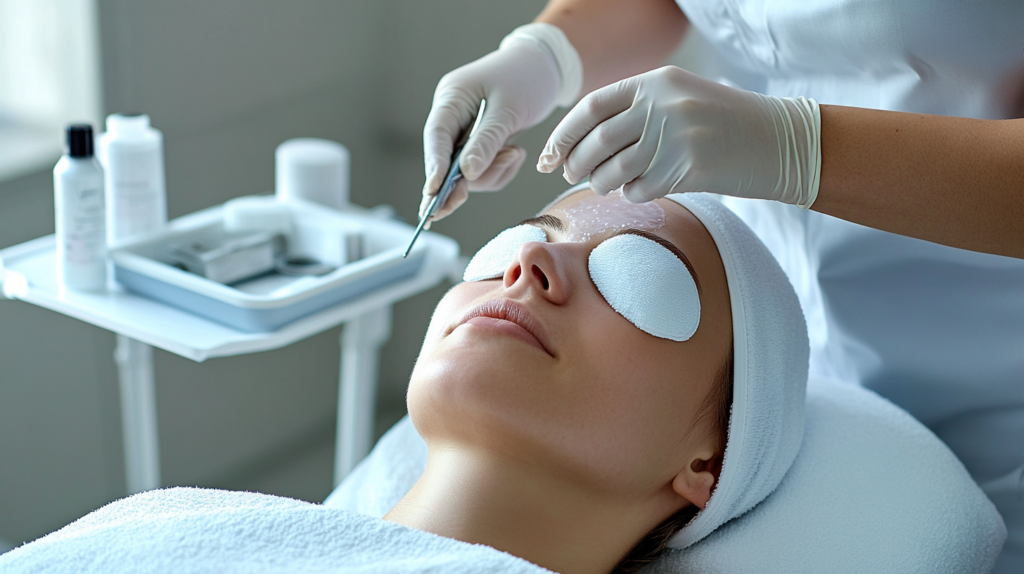
Not every chemical peel ingredient works the same way. Some acids help with exfoliation, while others may support tone by influencing pigment-related pathways or reducing inflammation. The most appropriate option depends on the patient’s concern and how reactive the skin may be.
Glycolic acid is an alpha-hydroxy acid, or AHA, commonly used for dullness, uneven tone, and mild sun spots. It exfoliates the epidermis by loosening the bonds between dead skin cells. Over a series of treatments, glycolic acid peels may help improve the appearance of surface-level discoloration and rough texture.
Lactic acid is another AHA, but it is often gentler than glycolic acid. It may be appropriate for patients with more sensitive skin or those who need a gradual approach to skin tone improvement. Lactic acid also has hydrating properties, which can be helpful when pigmentation concerns exist alongside dryness or barrier sensitivity.
Mandelic acid has a larger molecular structure than glycolic acid, which means it penetrates more slowly. This slower action may make mandelic acid peels useful for selected patients with melasma, PIH, or skin that tends to react easily. Because inflammation can worsen pigmentation, a more measured peel may be safer than a stronger option in some cases.
Trichloroacetic acid, often called TCA, may be used in medium-depth peels for more visible sun spots, texture changes, or photoaging concerns. TCA peels can produce more noticeable peeling and require more downtime, sun avoidance, and aftercare than superficial peels. They are not appropriate for every skin type or every pigment concern.
Combination peels, such as a Jessner’s peel, may blend ingredients such as salicylic acid, lactic acid, and resorcinol. These formulas may be used to address multiple concerns at once, including congestion, uneven tone, and texture. A provider should determine whether a combination peel is appropriate based on the patient’s skin analysis.
Blue Point’s chemical peels service includes professional peel options that may be selected based on pigmentation pattern, skin type, downtime tolerance, and treatment history.
Treatment Planning for Sun Spots, Melasma, and PIH
A peel strategy should be based on the type and depth of hyperpigmentation. Superficial sun spots that sit closer to the surface may respond to a series of mild or superficial peels performed several weeks apart. These peels gradually exfoliate pigmented layers and support a more even-looking tone.
Melasma requires a more cautious approach. Because melasma may be influenced by hormones, heat, and UV exposure, aggressive treatments can sometimes trigger a flare or rebound pigmentation. For this reason, providers often use lower-strength peels, pigment-supporting skincare, and strict SPF use as part of a broader plan. The goal is usually long-term management rather than a one-time correction.
Post-inflammatory hyperpigmentation may respond to peels that combine gentle exfoliation with lower irritation risk. Lactic acid or mandelic acid may be considered in selected cases because they can support tone while reducing the chance of unnecessary inflammation. Patients with active acne may need a plan that addresses breakouts first, then residual marks. Blue Point may coordinate peel care with medical-grade facials or acne-focused treatments, depending on the skin’s condition.
Some patients have multiple concerns at once, such as sun spots, fine lines, dullness, and rough texture. In these cases, a medium-depth peel or combination protocol may be considered if the patient is a good candidate. The provider may also discuss complementary treatments such as laser treatments or microneedling when texture, collagen support, or deeper pigmentation concerns are part of the plan.
Treatment planning should account for skin tone, lifestyle, work schedule, sun exposure, and the patient’s ability to follow aftercare. In Las Vegas, where sunlight can be intense for much of the year, timing and sun protection are especially important.
Preparation Before a Chemical Peel
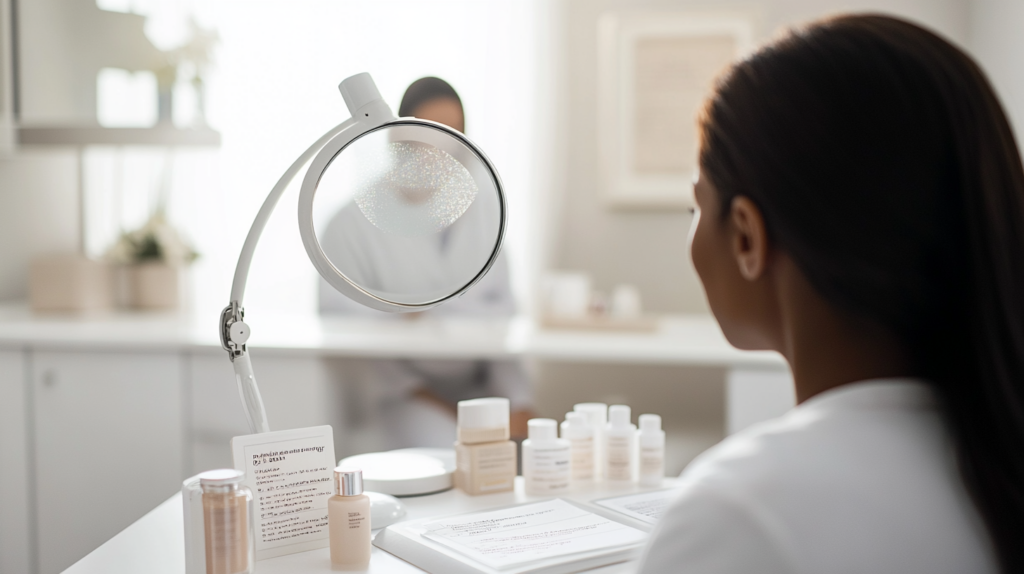
The weeks before a chemical peel can influence comfort, recovery, and visible results. For pigmentation concerns, preparation may include adjustments to skincare, sun exposure, and certain active ingredients. The provider may recommend a gradual pre-treatment regimen to help condition the skin before the peel.
Some patients may be advised to use a topical retinoid, tyrosinase inhibitor, vitamin C, niacinamide, azelaic acid, or another pigment-supporting product before treatment. These ingredients may help support cell turnover, reduce the appearance of uneven tone, and prepare the skin for professional exfoliation. However, they should be used only as directed because overuse can irritate.
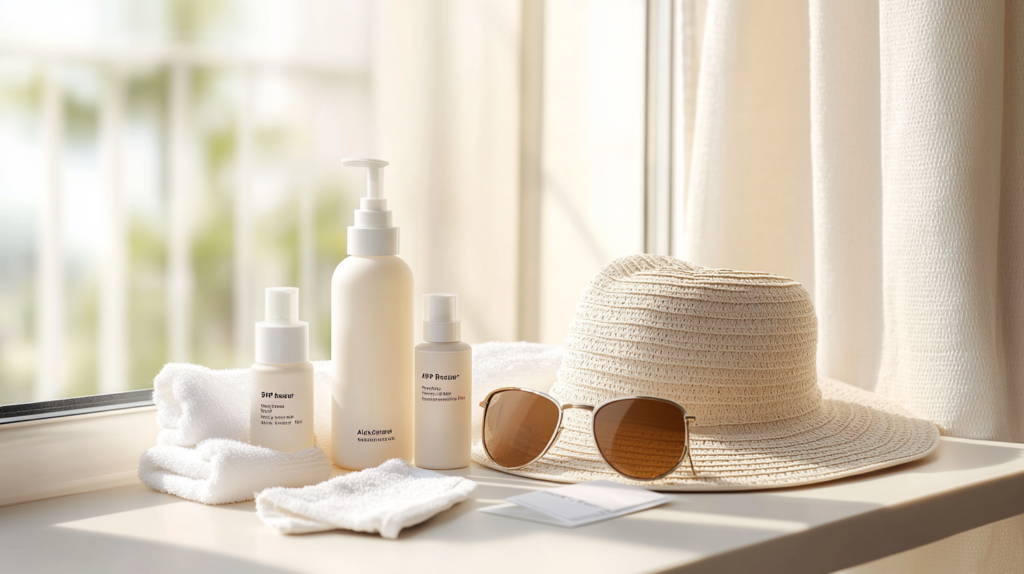
Sun protection before treatment is critical. A recent sunburn, active tan, or heavy UV exposure may increase the risk of uneven results, irritation, and post-inflammatory hyperpigmentation. Patients are often advised to use broad-spectrum SPF, wear protective clothing, and avoid intentional tanning before a peel.
Patients who already use medical-grade skincare may have a more structured routine before treatment. Blue Point Medical Spa also offers professional skincare options such as SkinMedica and SkinBetter, which may be recommended based on skin type and treatment goals.
Preparation also includes reviewing medications and supplements. Certain antibiotics, acne medications, hormonal therapies, and photosensitizing medications may affect peel timing or intensity. Patients should disclose all current medications, recent treatments, allergies, and skin reactions during their consultation.
Aftercare and Pigmentation Maintenance
The skin is more vulnerable after a chemical peel, especially while it is peeling or recovering. UV exposure during this period may trigger new pigmentation or worsen existing discoloration. This risk is especially important in Las Vegas, where UV levels can remain strong even outside peak summer months.
Post-peel care usually begins with a simplified routine. Gentle cleanser, fragrance-free moisturizer, and broad-spectrum sunscreen are often the foundation. Active ingredients such as retinoids, AHAs, BHAs, and vitamin C are usually paused until the provider confirms the skin is ready to restart them. The pre- and post-treatment care guidelines at Blue Point Medical Spa explain how to support recovery after professional services.
Patients should avoid picking or pulling peeling skin. Removing flaking skin too early may increase irritation and pigmentation risk. Makeup, workouts, heat exposure, saunas, and certain skincare products may need to be paused for a short period, depending on peel depth and provider instructions.
Long-term hyperpigmentation management extends beyond the peel itself. Patients who treat sun spots but continue unprotected sun exposure may develop new spots. A maintenance plan may include daily SPF, periodic superficial peels, pigment-supporting skincare, and consistent follow-up. For some patients, a multi-modality plan may be more appropriate than peels alone.
Results vary. The response to a chemical peel depends on pigment depth, skin type, healing response, aftercare, sun exposure, and consistency. A consultation helps set realistic expectations before treatment begins.
Chemical Peels as Part of a Broader Skin Plan
Chemical peels can be helpful for selected pigmentation concerns, but they are not always the only recommended option. The provider may suggest pairing peels with skincare, facials, light-based treatments, or collagen-supporting treatments, depending on the patient’s full skin profile.
For example, a patient with sun spots and rough texture may benefit from peels and medical-grade skincare. A patient with melasma may need a more cautious plan focused on pigment control, heat avoidance, and daily sunscreen. A patient with acne-related PIH may need breakout control before pigment correction. A patient with deeper photoaging may need a consultation about laser treatments or other resurfacing options.
The goal is not to choose the strongest peel. The goal is to choose the most appropriate treatment for the skin’s current condition. Stronger treatments may not be safer or better, especially for patients prone to inflammation or pigmentation changes.
At Blue Point Medical Spa, treatment recommendations are guided by consultation, skin analysis, and professional oversight. This helps patients understand what may improve, what may require maintenance, and what risks should be considered before treatment.
FAQ
Can a single chemical peel remove sun spots?
A single chemical peel may improve the appearance of superficial sun spots, but most patients need a series of treatments for more noticeable results. The number of sessions depends on pigment depth, peel strength, skin type, aftercare, and the skin’s response.
Are chemical peels safe for darker skin tones?
Chemical peels may be appropriate for darker skin tones when selected carefully. Superficial peels such as lactic acid or mandelic acid may carry a lower risk of post-inflammatory hyperpigmentation than deeper peels. A professional assessment is important before treatment.
Do sun spots come back after a chemical peel?
Treated sun spots may fade, but new spots can develop with ongoing UV exposure. Sun damage is cumulative, so daily SPF, protective clothing, and maintenance treatments may help preserve results. Sun protection is essential after any peel.
Conclusion
Chemical peels may help improve the appearance of hyperpigmentation, sun spots, uneven tone, and some post-breakout marks when selected appropriately. The best plan depends on the pigment pattern, skin tone, sensitivity, medical history, and ability to follow aftercare.
At Blue Point Medical Spa, patients receive aesthetic care guided by consultation, education, and professional oversight. If you are concerned about sun spots, melasma, PIH, or uneven tone, book a consultation to discuss whether chemical peels may be appropriate for your skin.
Individual results vary. A consultation with a licensed provider is required to determine whether a chemical peel is appropriate. Aesthetic services are elective and may involve risks, side effects, contraindications, downtime, or pigmentation changes. Recommendations may vary based on skin type, medical history, medications, sun exposure, pigment depth, and healing response.