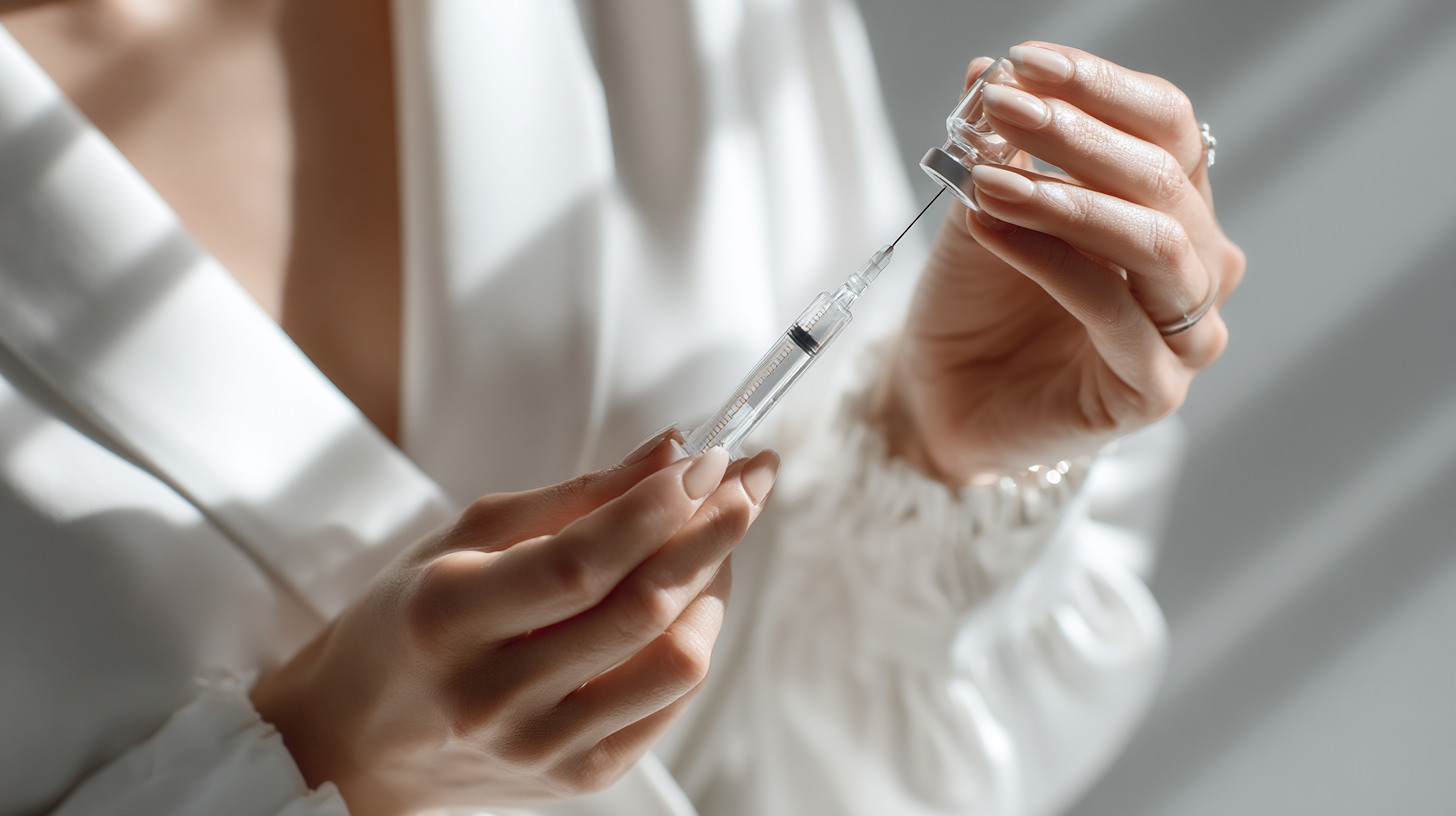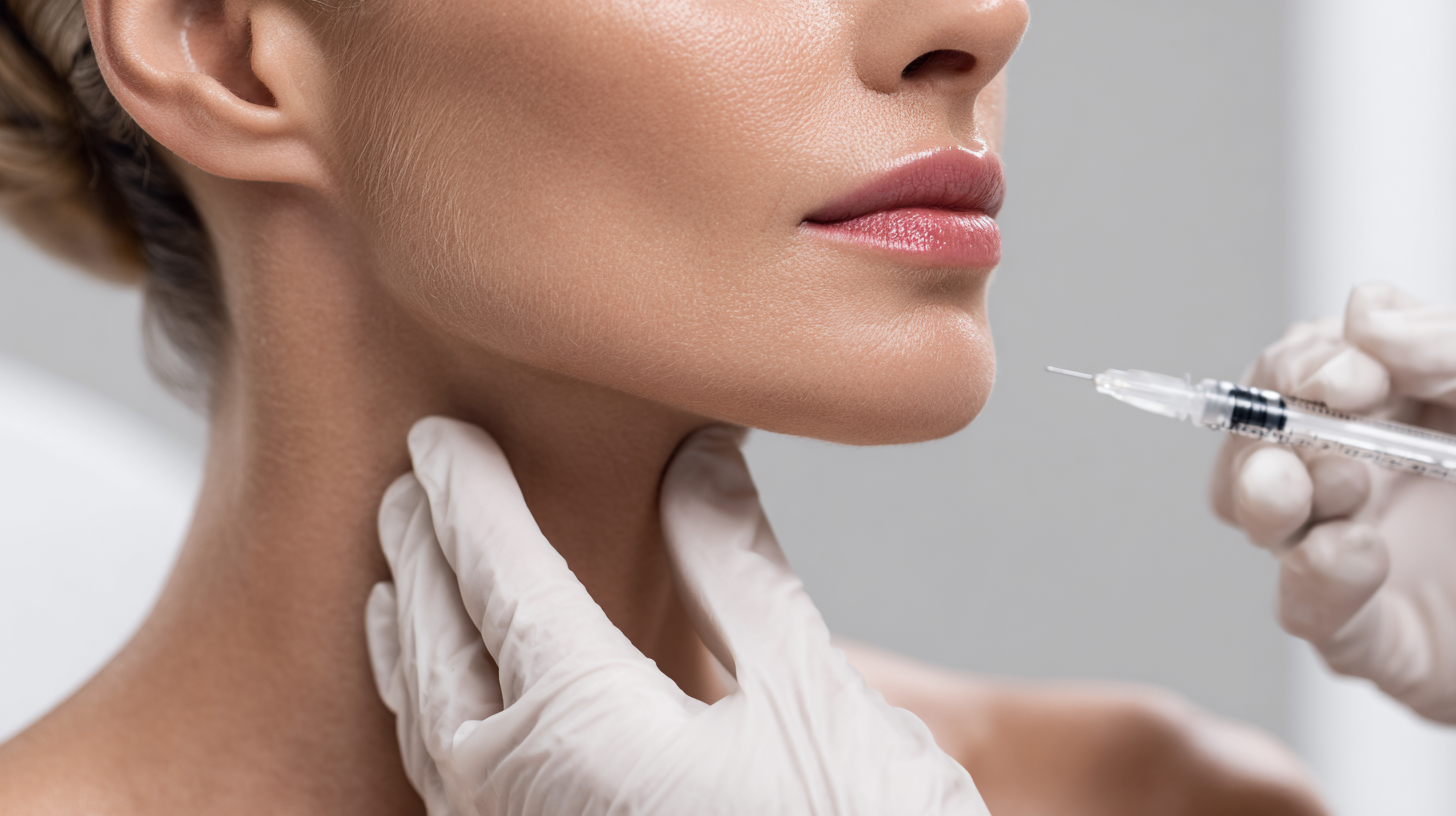
Patients researching dermal fillers quickly run into two brand names that dominate the market: Juvederm and Restylane. Both are hyaluronic acid (HA) gels, and both have been used safely for years, but neither is a single product. Each brand sells a family of formulations, and each formulation is engineered for a specific area, injection depth, and desired feel. The real comparison is not “which brand is better” but “which specific product, from either brand, fits this particular area and goal.”
That distinction matters because filler formulations change over time. Newer HA technologies replace older ones, indications get updated, and products marketed a decade ago are no longer what a provider would reach for today. This post covers the current Juvederm and Restylane product lines, what each is actually formulated to do, and how a provider weighs the options for lips, cheeks, smile lines, and under-eye hollows.
Juvederm and Restylane Filler Technologies
Juvederm’s current lineup is built on Vycross technology, a manufacturing process that combines high- and low-molecular-weight hyaluronic acid into a single cross-linked gel. The manufacturer describes this as producing a smooth, cohesive gel designed for durability and even spreading beneath the skin.
Restylane’s current lineup relies on two related technologies: NASHA, Non-Animal Stabilized Hyaluronic Acid, which varies gel particle size to match the treatment goal, and XpresHAn Technology, used in Restylane’s newer products to create a softer, more flexible gel that moves with facial expression rather than resisting it.
In practice, sources across manufacturer and dermatology literature generally describe Juvederm’s gel as more hydrophilic, meaning it draws in more water and can produce slightly more initial swelling, while Restylane’s gel tends to be denser and more granular, with typically more moderate swelling. These are general tendencies, not fixed rules, and individual response varies by patient, product, and injection technique. Both product families are HA-based, which means both are reversible with an enzyme called hyaluronidase if a patient wants the filler dissolved or a provider needs to adjust.
Juvederm and Restylane Options for Lip Filler
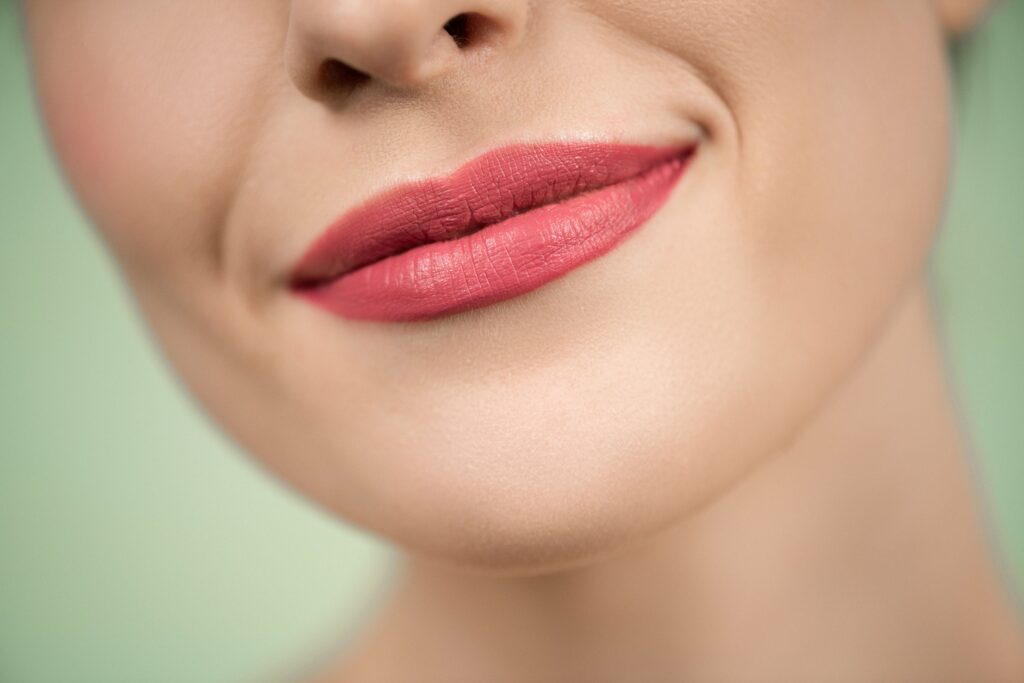
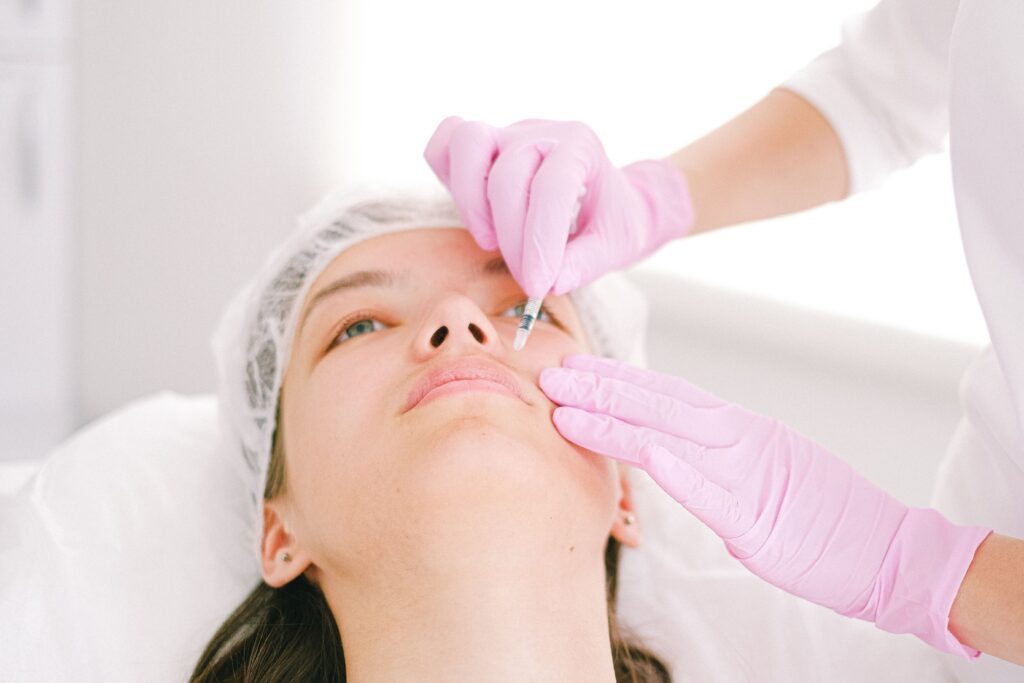
For lip augmentation, the two brands’ current answers are Juvederm Volbella and Restylane Kysse. Both are formulated for subtle volume and a natural, soft feel rather than dramatic enlargement, and both address perioral lines, the fine lines around the mouth, in addition to lip volume. Readers who want the fundamentals of the procedure itself, from consultation through recovery, can review what to know about lip filler before comparing products.
Restylane also still offers Restylane Silk, an older, thinner-gel lip product that remains available for patients who want an even more subtle refinement than Kysse provides, such as softening fine lip lines without adding noticeable volume. Silk has not been discontinued; it simply serves a slightly different goal than Kysse within the same product family.
Lip filler results from either brand typically last in the range of 6 to 12 months, though this varies based on the amount used, the patient’s metabolism, and how much natural movement the lips experience day to day. Individual results vary, and a consultation is the only reliable way to estimate how long results might last for a specific patient.
Juvederm and Restylane Options for Cheek Volume
Cheek volume loss calls for a different pair of products than lips or smile lines: Juvederm Voluma and Restylane Contour are the current, purpose-built answers from each brand for this area. Voluma is formulated for deep injection into the cheek to correct age-related cheek volume loss and can also be used for chin and temple augmentation. Contour is Restylane’s dedicated cheek product, built on XpresHan Technology for a flexible gel that moves naturally with facial expression during activities like smiling or chewing.
Restylane Lyft is worth mentioning alongside Contour: it has a thicker consistency and larger particle size, which make it suited to deep injection planes and give it a broader set of indications, including cheek augmentation, midface contour, and chin augmentation. A provider may choose Lyft over Contour depending on how deep the correction needs to go.
Cheek and midface products from both brands are generally the longest-lasting HA fillers, with manufacturer-cited ranges reaching up to roughly two years for some formulations. That upper range is not a guarantee for every patient; skin structure, activity level, and metabolism all influence how long volume holds.
Juvederm and Restylane for Smile Lines and Nasolabial Folds
Nasolabial folds, the lines running from the nose to the corners of the mouth, are one of the most common reasons patients seek filler. Restylane offers two formulations for this area, Restylane Refyne and Restylane Defyne, which differ mainly in gel firmness. Refyne is the more flexible of the two, designed for moderate folds where natural movement matters. Defyne is firmer, formulated for deeper, more pronounced folds and also indicated for chin augmentation.
Juvederm’s equivalent product is Juvederm Vollure, indicated for moderate-to-severe facial wrinkles and folds while preserving natural facial movement, similar in concept to Restylane’s Refyne.
Results in this category typically last around 12 to 18 months, again varying by patient anatomy and how much product is used to achieve the desired correction.
Juvederm and Restylane Options for Under-Eye Hollows
The under-eye area is thin, delicate, and highly visible, which makes it one of the more technically demanding areas to treat with filler. Juvederm Volbella carries an indication for injection into under-eye hollows in addition to its lip use, an indication that the FDA approved in 2022. Restylane’s dedicated answer for this area is Restylane Eyelight, a newer product specifically developed for infraorbital hollowing, the clinical term for the sunken or shadowed look that develops under the eyes with volume loss.
Both brands now have a credentialed option for this specific concern, and neither is automatically the “better” choice; the right selection depends on the patient’s tissue thickness, the degree of hollowing, and the provider’s clinical assessment during a consultation. Because the skin under the eyes is thinner than almost anywhere else on the face, this is an area where provider experience matters more than brand. At Blue Point Medical Spa, injections in this area are performed by or under the supervision of board-certified providers who evaluate facial anatomy closely before recommending a product or technique.
Under-eye filler results typically last around 9 to 12 months, shorter than cheek or nasolabial fold products, since the area experiences more movement and thinner tissue processes the gel differently.
How Providers Choose Between Juvederm and Restylane
A provider selects a specific product, from either Juvederm or Restylane, based on the treatment area, the depth of correction needed, the patient’s skin thickness and movement patterns, and the look the patient wants to achieve. Two patients seeking the same general outcome, such as smoother nasolabial folds, might leave with different products if their anatomy calls for a firmer or softer gel.
Both HA families share an important safety feature: they are reversible. If a patient is unhappy with a result or a provider needs to correct, hyaluronidase can dissolve the filler, which is one reason HA-based products remain the most commonly chosen filler category for patients newer to injectables. Patients weighing Juvederm and Restylane against other categories, such as calcium hydroxylapatite or biostimulatory fillers, can review the broader dermal filler options available at Blue Point for the full landscape.
Individual results vary based on anatomy, skin condition, product selection, and the amount used. A consultation with our team can help set realistic expectations for your goals, including which specific product line makes sense for the area you want addressed.
FAQ
What is the best filler for lips, Juvederm or Restylane?
The best filler for lips depends on the amount of volume, softness, movement, and definition the patient wants. Juvederm Volbella and Restylane Kysse are both formulated for subtle volume and natural movement, while Restylane Silk may be considered for very subtle refinement.
Which brand is better for cheek volume?
The appropriate cheek filler depends on the depth of correction and the desired level of structure and flexibility. Juvederm Voluma, Restylane Contour, and Restylane Lyft are designed for different cheek and midface needs.
Is Juvederm or Restylane better for under-eye hollows?
The right under-eye filler depends on tissue thickness, the degree of hollowing, facial anatomy, and the provider’s assessment. Juvederm Volbella and Restylane Eyelight are both options for this area, but provider experience and product placement are especially important beneath the eyes.
Conclusion
Juvederm and Restylane are not individual fillers but families of hyaluronic acid products designed for different areas, depths, movement patterns, and treatment goals. The most appropriate option for the lips may not be the right choice for the cheeks, smile lines, or under-eye area.
A personalized consultation allows a provider to evaluate facial anatomy, tissue thickness, movement, volume loss, and the desired result before selecting a specific formulation. Product choice should be based on the treatment area and the patient’s individual needs rather than brand recognition alone.
Choosing between Juvederm and Restylane products isn’t something to settle from a blog post or a friend’s recommendation. It depends on facial anatomy, treatment goals, and a hands-on assessment that only a licensed provider can perform. The injectables team at Blue Point Medical Spa reviews all current formulations during a consultation and builds a plan around the specific areas a patient wants to address.
Schedule a consultation with Blue Point Medical Spa to discuss which Juvederm or Restylane product fits your lips, cheeks, smile lines, or under-eye goals.