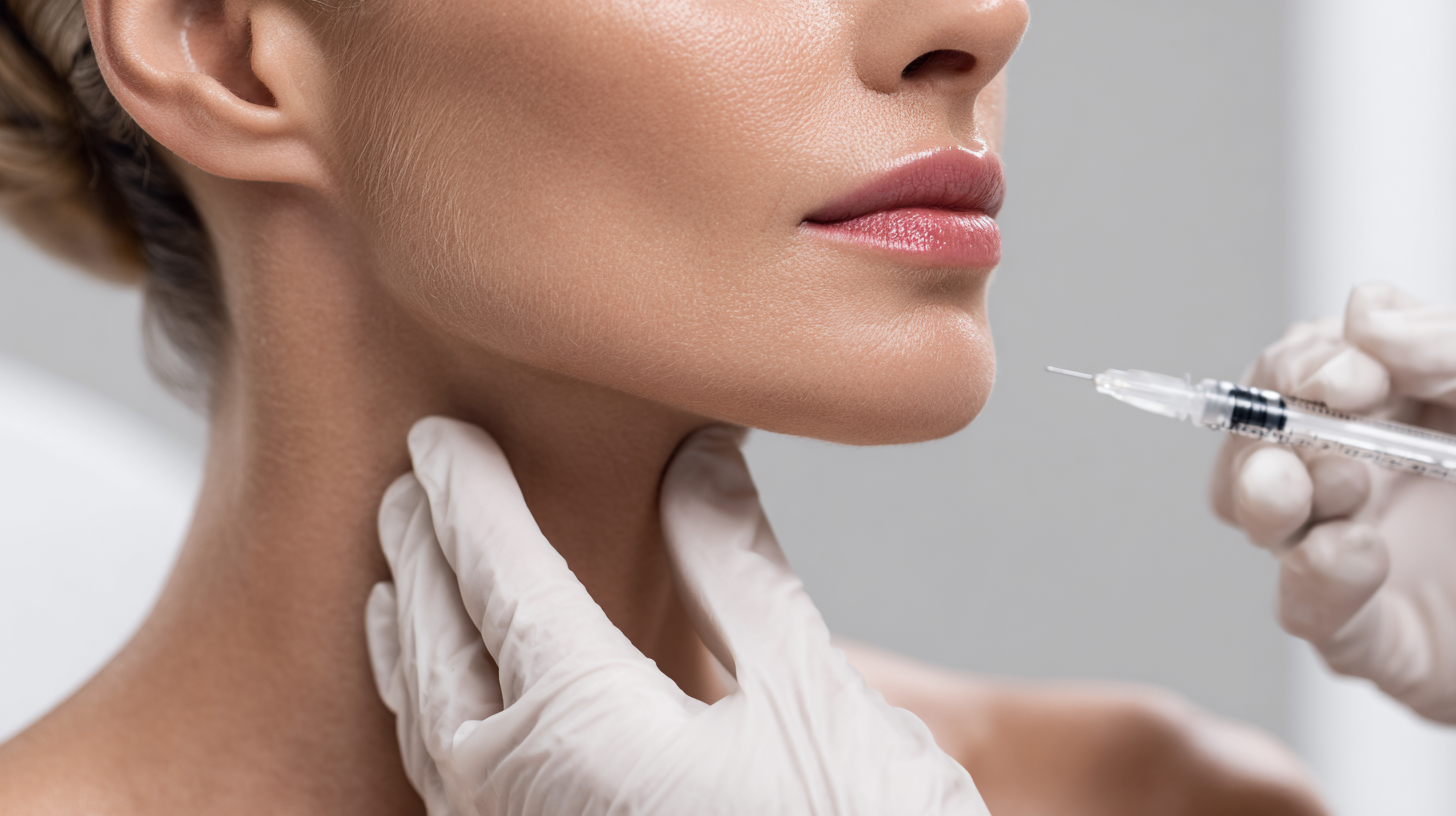

Most patients researching filler start with a single feature in mind: fuller lips, softer under-eye hollows, smoother smile lines. Cheek and chin fillers work differently. Instead of targeting one isolated area, they address how the mid-face and lower face relate to each other, which is why providers often discuss cheek and chin volume together rather than as separate requests.
This distinction matters because the goal, the products, and the injection approach for cheek and chin contouring differ from those for lip or under-eye treatment. This post explains what each area does for facial structure, how providers think about proportion when combining the two, and what patients can realistically expect from the process.
Facial Balancing With Cheek and Chin Fillers
Providers who work with facial balancing look at the face as a set of connected zones rather than a collection of separate problems. The upper third runs from the hairline to the brow, the middle third spans the brow to the base of the nose, and the lower third covers the nose to the chin. When these zones sit in reasonable proportion to one another, features tend to read as harmonious, even if no single feature is dramatic on its own.
Cheek volume sits in the middle third. Chin projection sits at the base of the lower third. Because both zones influence how the lower half of the face appears from the front and in profile, a provider evaluating one area often considers the other during the same consultation, even if the patient only asked about one.
This is a different clinical question from lip filler or under-eye filler. Readers who want the fundamentals of those treatments can review what to know about lip filler or under-eye filler for tear trough hollowing, since both address specific volume loss or texture concerns rather than the broader structural proportion that cheek and chin fillers are designed to support.

How Cheek Filler Supports Facial Structure
Cheek filler restores volume in the mid-face, an area that can flatten gradually as facial fat pads shift and skin loses some of its underlying support over time. Adding structure here can soften the appearance of nasolabial folds, the lines running from the nose to the corners of the mouth, and create a more defined cheekbone contour, since the tissue above the cheekbone has renewed support beneath it.
Providers commonly use structural hyaluronic acid fillers for this area, including Juvederm Voluma and Restylane Contour or Restylane Lyft, depending on how much lift and depth of correction the patient’s anatomy calls for. These products are formulated to sit deep, closer to the bone, which is part of why cheek results tend to look architectural rather than simply plumped.
Patients who consider cheek filler often notice one or more of the following:
- A flatter or more hollowed appearance across the mid-face compared to earlier photos
- Smile lines that look more pronounced than they used to
- A desire for a more visible cheekbone contour without changing the shape of the face
None of these are requirements for treatment. Cheek volume is an elective option, and a consultation is the only reliable way to determine whether it fits a particular patient’s goals and anatomy.
How Chin Filler Improves Profile Balance
Chin filler works on a different axis: forward projection rather than mid-face lift. Adding volume to the chin can bring it into better visual proportion with the nose and lips, particularly when viewed from the side, where the relationship between these three features is most visible.
Juvederm Voluma is cleared for chin augmentation in addition to cheek volume, and Restylane Lyft or Restylane Contour are also used in this area for their firmer, structure-supporting consistency. Providers typically place chin filler close to the bone, which gives the correction a more foundational feel than filler placed in softer tissue elsewhere on the face.
Chin filler is not a fit for every patient. Significant underlying skeletal differences, such as a notably recessed jaw, may benefit from a broader conversation with a provider about whether filler alone will achieve the look a patient has in mind, or whether other options should be part of that discussion. A thorough consultation, including an assessment of bone structure and facial proportion, comes before any recommendation.

Combining Cheek and Chin Filler for Facial Balance
Cheek and chin volume both affect the same visual through-line: the lower two-thirds of the face and the profile silhouette. A provider correcting mid-face flatness without considering chin projection, or the reverse, risks a result that looks partially finished rather than balanced.
This is why facial balancing often involves smaller, more conservative amounts of filler placed across a few connected areas instead of a larger amount concentrated in a single spot. The aim is proportion, not maximum volume in any one place.
During a consultation, a provider generally evaluates:
- Facial anatomy and bone structure, including the natural width and projection of the cheekbones and chin
- Skin quality and how much structural support the tissue currently has
- The patient’s specific goals and which areas, if any, they want to prioritize
- Whether cheek, chin, or both areas make sense to address in the same visit or across a phased treatment plan
This evaluation is what separates a facial balancing approach from simply injecting the area a patient mentions first.
Cheek and Chin Filler Process, Duration, and Safety
A cheek or chin filler appointment typically begins with a consultation where the provider examines facial structure from multiple angles, discusses goals, and recommends a specific product and technique. Treatment itself is usually completed within the same visit, with the provider injecting small, measured amounts and reassessing the contour as they go.
Structural HA fillers used in the cheek and chin, such as Juvederm Voluma or Restylane Lyft and Contour, generally last in the range of 12 to 18 months, though this depends on the amount used, the treatment area, and individual metabolism. Readers comparing specific formulations across brands can review the full breakdown in Juvederm vs. Restylane, and the complete guide to dermal filler types covers how these products compare to other filler categories available at Blue Point Medical Spa.
Because these are HA-based products, they are also reversible. If a patient wants an adjustment after treatment, a provider can dissolve the filler with an enzyme called hyaluronidase, which is one reason HA fillers remain a common starting point for patients newer to facial contouring.
Cheek and chin injections at Blue Point Medical Spa are performed by or under the supervision of board-certified providers who evaluate each patient’s anatomy individually before recommending a product or technique. Individual results vary based on facial structure, skin quality, and the amount of product used, and a consultation with our team can help set realistic expectations for what cheek and chin filler can achieve for a specific profile.

FAQ
Can cheek and chin fillers be performed during the same appointment?
Cheek and chin fillers may be performed during the same visit when a provider determines that treating both areas supports the patient’s facial proportions and goals. In other cases, the provider may recommend a phased treatment plan.
How long do cheek and chin fillers usually last?
Structural hyaluronic acid fillers used in the cheek and chin generally last between 12 and 18 months. Duration varies based on the product, the amount used, the treatment area, and individual metabolism.
Are cheek and chin fillers reversible?
Hyaluronic acid cheek and chin fillers can be dissolved with hyaluronidase if an adjustment is needed. A licensed provider should evaluate the treated area before recommending dissolution or correction.
Conclusion
Cheek and chin filler is a proportion-based decision, not a single-feature fix, and the right approach depends on facial anatomy that only a hands-on assessment can evaluate. The injectables team at Blue Point Medical Spa reviews current filler options during a consultation and builds a plan around whichever areas a patient wants to address, whether that means cheek volume, chin projection, or both together.
A personalized evaluation can help determine whether treating one area or combining both areas will produce the most balanced result. Product selection, placement depth, treatment volume, skin quality, and bone structure all influence the final recommendation and the results a patient can realistically expect.
Schedule a consultation with Blue Point Medical Spa to discuss whether cheek and chin fillers fit your facial balancing goals.