Living in Las Vegas means living with the realities of the Mojave Desert. The climate is defined by intense sunshine, low humidity levels, dry wind, high temperatures, and frequent indoor air conditioning. For the skin, these factors can create ongoing stress that may contribute to dryness, sensitivity, uneven tone, and visible signs of aging.
The desert environment does not affect every patient the same way. Skin type, age, genetics, lifestyle, sun exposure, skincare habits, and prior treatments all influence how the skin responds. However, many Las Vegas residents notice that their skin feels drier, tighter, more reactive, or more prone to sun damage than it did in more humid climates.
At Blue Point Medical Spa, patients receive skin care guidance based on consultation, skin analysis, and realistic treatment planning. Understanding how the Las Vegas climate affects the skin barrier, hydration, collagen, and pigmentation can help patients build a routine that supports healthier-looking skin over time.
Low Humidity and Skin Barrier Stress
Low humidity is one of the most important environmental factors affecting skin in Las Vegas. When the air is dry, moisture evaporates from the skin more easily. This process is known as transepidermal water loss, and it can leave the skin feeling tight, rough, flaky, or sensitive.
The skin barrier is the outer protective layer of the skin. It helps retain moisture and protect against irritants, pollutants, and bacteria. This barrier depends on a balanced mix of ceramides, cholesterol, fatty acids, and healthy skin cells. When the barrier is weakened, the skin may become more reactive and less able to tolerate active ingredients or professional treatments.
Patients with eczema, rosacea, dry skin, or general skin sensitivity may notice that symptoms feel more noticeable in a desert climate. Even patients without a history of skin issues may experience new dryness or irritation after moving to Las Vegas.
A desert skincare routine should focus on barrier repair and moisture retention. Ingredients such as hyaluronic acid, glycerin, ceramides, squalane, and barrier-supporting moisturizers may help improve comfort and hydration. The right product choice depends on the patient’s skin type and sensitivity.
Professional guidance can be useful when dryness persists despite home care. Blue Point offers medical-grade skincare options that may support the barrier when selected appropriately by a provider.
UV Exposure and Visible Sun Damage
UV exposure is another major concern for patients in Las Vegas. The city’s sunny weather and outdoor lifestyle can increase cumulative exposure over time. Unprotected UV exposure may contribute to hyperpigmentation, fine lines, rough texture, visible redness, and collagen-related aging.
Two types of ultraviolet rays affect the skin. UVB rays are more associated with sunburn and surface-level damage. UVA rays penetrate deeper into the skin and may contribute to collagen breakdown, elastin damage, and visible photoaging. Both types matter, which is why broad-spectrum sunscreen is important.
The face, neck, chest, and hands often show the most visible signs of sun exposure because they are frequently uncovered. Patients may notice sun spots, uneven tone, freckles, dullness, or deeper lines in these areas. While professional treatments may help improve the appearance of some concerns, daily prevention remains essential.
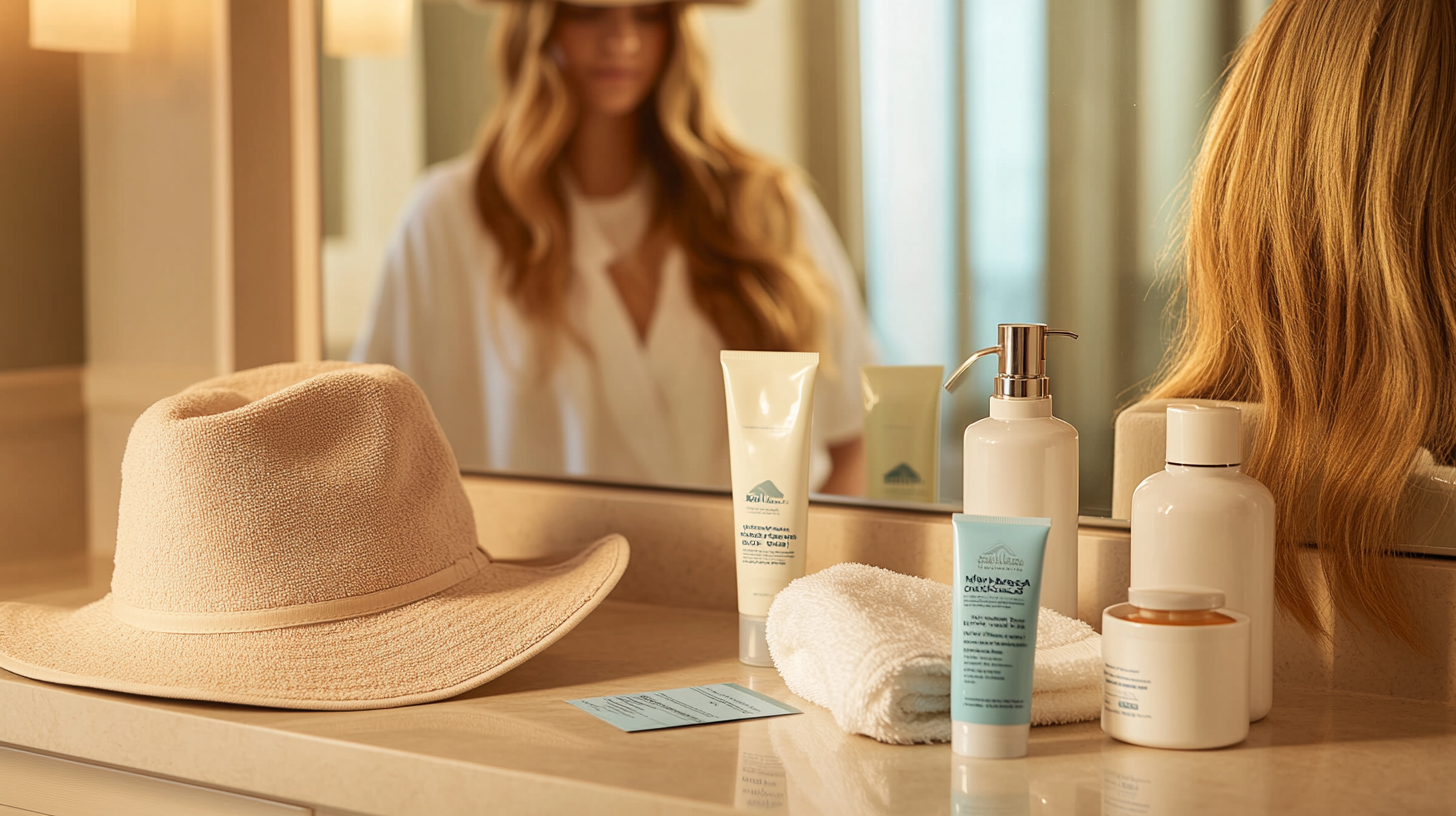
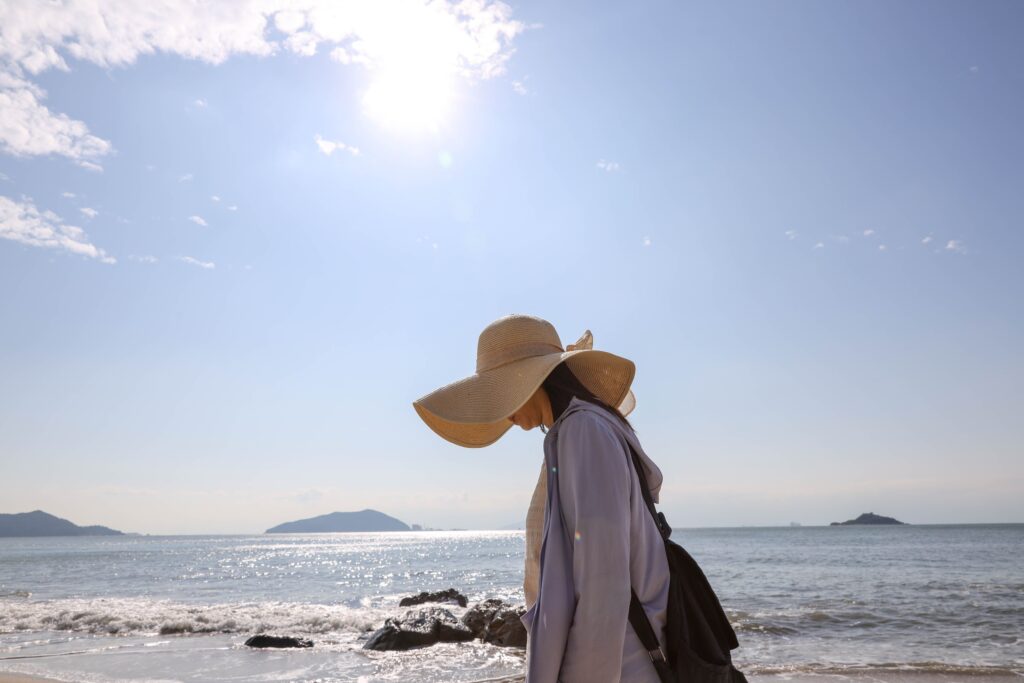
A broad-spectrum SPF 30 or higher should be part of a daily routine. Reapplication is especially important during outdoor activity, sweating, pool time, hiking, driving, or sitting near windows. Hats, sunglasses, shade, and protective clothing can also support the skin.
Patients who have already developed visible sun damage may discuss laser treatments, chemical peels, or skincare during consultation. These treatments may help improve tone and texture in selected patients, but results vary, and ongoing sun protection is still necessary.
Heat, Redness, and Skin Sensitivity
Extreme heat can affect the skin in several ways. When the body gets hot, blood vessels near the surface of the skin may widen through a process called vasodilation. This helps regulate body temperature, but it may also increase visible redness or flushing in some patients.
Patients with rosacea, broken capillaries, or redness-prone skin may notice more frequent flare-ups during hot weather. Heat, sweating, sun exposure, spicy foods, alcohol, and outdoor activity may all contribute to flushing for certain patients.
The dry heat may also make dehydration harder to notice. Sweat can evaporate quickly in low humidity, which may cause patients to underestimate fluid loss. Dehydration can make the skin look dull, crepey, or less plump, especially when the skin barrier is already compromised.
A calming skincare routine can help reduce unnecessary irritation. Patients may benefit from gentle cleansers, barrier creams, fragrance-free moisturizers, and sunscreen designed for sensitive skin. Overusing exfoliants, scrubs, retinoids, or acids may worsen irritation if the skin is already stressed.
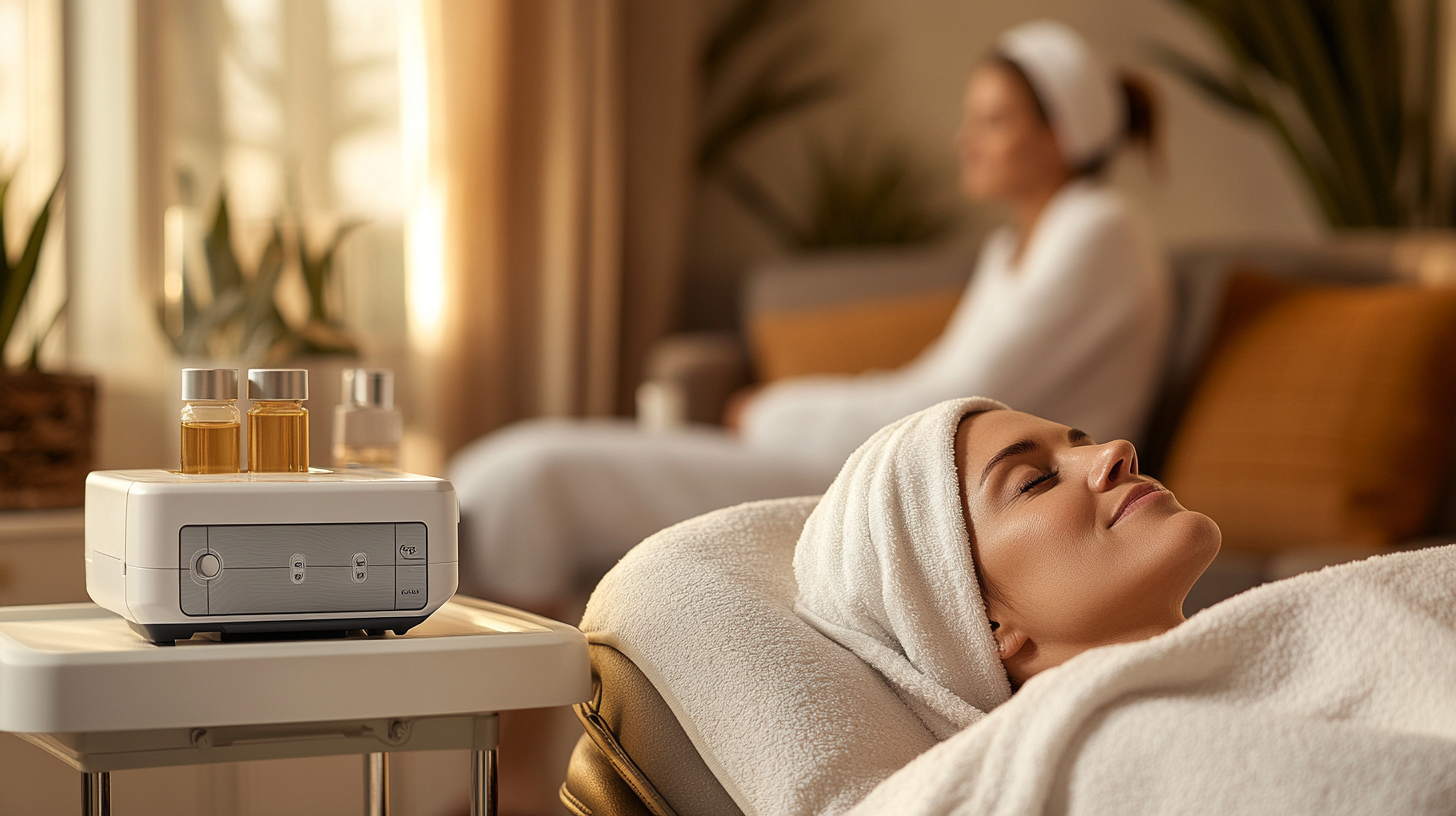
At Blue Point, medical-grade facials may be recommended for hydration, calming support, and maintenance when appropriate. Treatment selection depends on skin condition, sensitivity, and recent sun exposure.
Air Conditioning and Indoor Dehydration
Many Las Vegas residents spend much of the day indoors to avoid extreme heat. While air conditioning helps with comfort, AC systems can make indoor air even drier. This may contribute to a cycle of outdoor heat exposure followed by indoor dehydration.
Moving repeatedly between hot outdoor air and cool indoor air may affect the skin barrier. These temperature and humidity shifts can make the skin feel tight, irritated, or less balanced. Patients who work in highly air-conditioned offices may notice dryness even when they spend little time outside.
A humidifier may help some patients improve indoor moisture levels, especially while sleeping. Applying a hydrating serum to slightly damp skin and sealing it with a moisturizer may also help reduce water loss. The key is layering hydration and barrier support rather than relying on a single lightweight product.
Patients should be careful with hyaluronic acid in very dry climates. It can be helpful, but it works best when applied to damp skin and followed with a moisturizer. Without enough moisture and sealing support, some patients may feel drier.
A provider can help build a routine that fits the patient’s environment, skin type, and treatment plan. Blue Point’s guide to medical-grade products between appointments may help patients understand why consistent home care matters.
Building a Desert-Adapted Skincare Routine
A skincare routine that works well in a humid climate may not be enough in Las Vegas. A desert-adapted plan should protect the barrier, reduce dehydration, support pigment control, and minimize UV-related aging.
Cleansing should be gentle. Harsh foaming cleansers, scrubs, and strong exfoliating washes may strip the lipid barrier and worsen dryness. A cream, gel, or hydrating cleanser may be more appropriate for patients with dry skin or sensitive skin.
Hydration should be layered. A hydrating serum can help attract water into the outer layers of the skin, while a moisturizer helps seal it in. Ingredients such as glycerin, hyaluronic acid, ceramides, squalane, and niacinamide may be useful depending on the patient’s needs.
Sun protection should anchor the morning routine. Broad-spectrum SPF should be applied as the final skincare step before makeup. Patients undergoing peels, lasers, microneedling, or retinoid-based skincare should be especially careful with sun exposure.
Nighttime repair may include active ingredients such as retinoids, peptides, growth factors, or barrier-supporting creams when appropriate. Retinoids may support cell turnover and collagen-related skin quality, but they can irritate the skin if introduced too quickly in a dry climate.
Professional Treatments for Desert-Related Skin Concerns
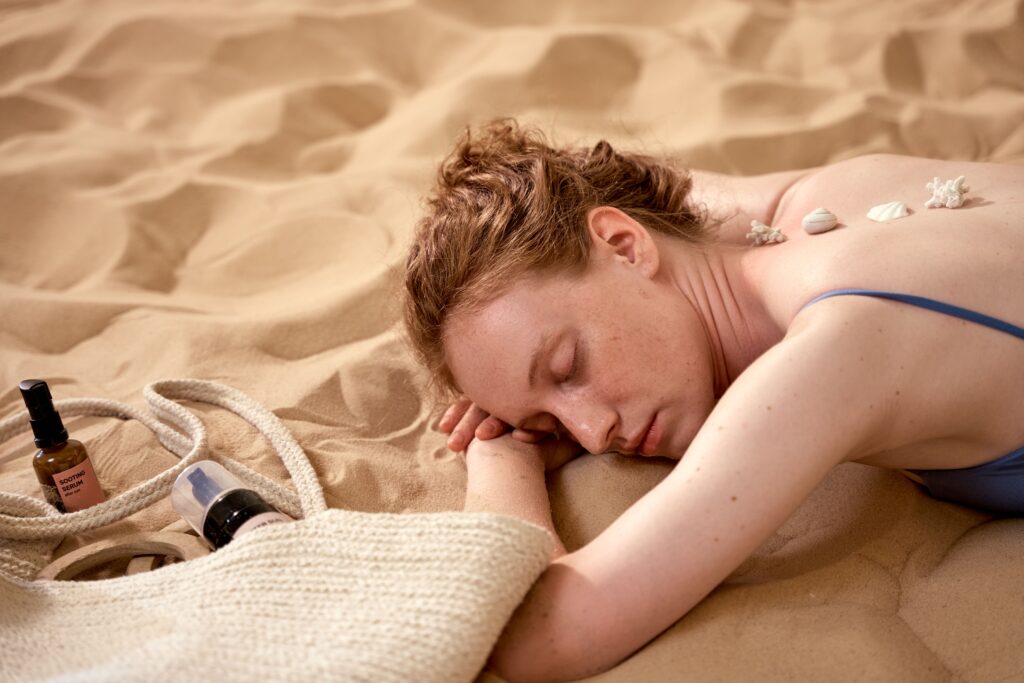
At-home skincare provides the foundation, but professional treatments may help address concerns that products alone may not fully improve. For Las Vegas patients, common concerns include chronic dryness, dullness, hyperpigmentation, rough texture, sun damage, and early fine lines.
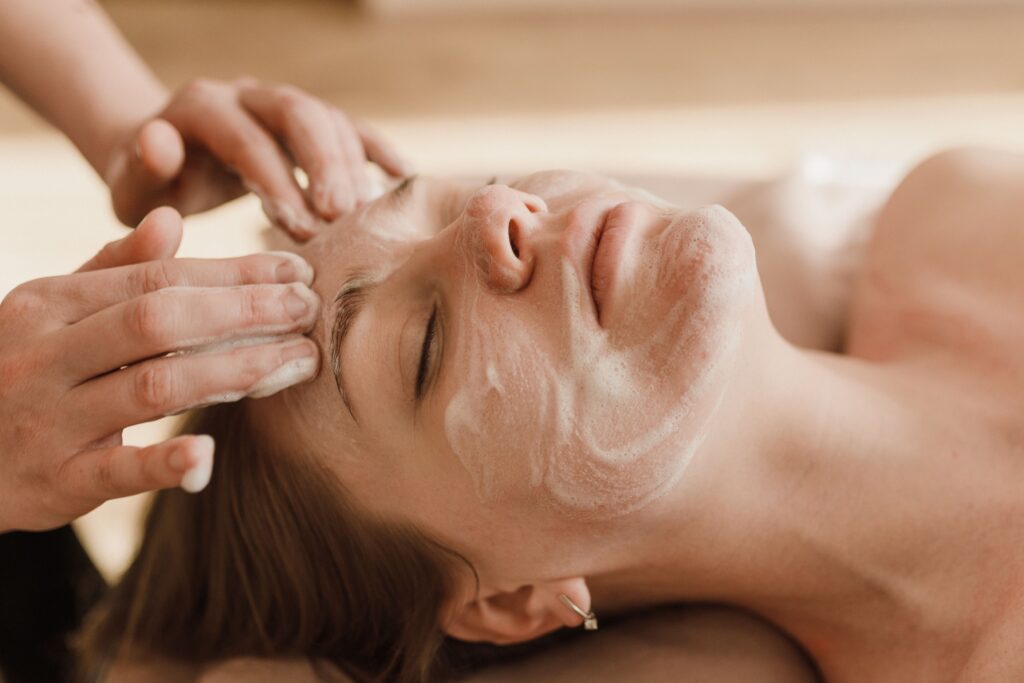
Medical-grade facials may help support hydration, exfoliation, barrier care, and overall skin quality. Treatments such as HydraFacial-style protocols may cleanse, exfoliate, and infuse hydrating ingredients in a controlled setting. Facials may be useful as maintenance or as a starting point for patients with sensitive or dehydrated skin.
Chemical peels may be considered for uneven tone, rough texture, dullness, and selected pigmentation concerns. The type and depth of peel should be chosen based on skin type, pigment risk, sensitivity, and available downtime. In Las Vegas, strict sun protection after a peel is especially important.
Laser treatments may be discussed for more visible photodamage, textural irregularities, and collagen-related concerns. Laser candidacy depends on skin tone, recent sun exposure, treatment history, downtime tolerance, and medical history.
Microneedling may support collagen production and improve the appearance of texture, acne scars, and early firmness changes over a series of treatments. It should be performed when the skin barrier is healthy enough to tolerate treatment.
Seasonal Planning for Las Vegas Skin
Las Vegas skin care may need to change with the season. Summer may require stronger focus on sun protection, heat management, lightweight hydration, and avoiding aggressive treatments during periods of heavy sun exposure. Winter may be a better time for certain resurfacing treatments because outdoor UV exposure may be easier to control.
Patients who spend time outdoors, travel frequently, or attend pool events should discuss scheduling with their provider. Some treatments, especially peels and lasers, require careful sun avoidance before and after treatment. A treatment performed at the wrong time may increase irritation or pigmentation risk.
A seasonal approach can also apply to products. A lighter moisturizer may work in spring, while a richer barrier cream may be needed in winter or during heavy AC exposure. Retinoids and exfoliating acids may need adjustment if the skin becomes dry or sensitive.
Blue Point’s pre- and post-treatment care guidelines can help patients understand how aftercare may vary depending on treatment type and climate.
The goal is not to use more products or stronger treatments. The goal is to use the right support at the right time.
FAQ
What skin concerns are common in Las Vegas?
Common concerns in Las Vegas skin include chronic dryness, tightness, rough texture, sun spots, hyperpigmentation, redness, and early fine lines. The combination of dry air, strong sun, heat, and indoor air conditioning may affect the skin barrier and overall skin quality.
Should skincare change after moving to Las Vegas?
Yes, many patients need to adjust their skincare routine after moving from a humid climate to a desert climate. The routine may need more hydration, a richer moisturizer, stronger sun protection, and fewer drying products. A consultation can help identify which changes are appropriate.
Which med spa treatments help with desert-related skin damage?
Common options include medical-grade facials, chemical peels, laser treatments, and microneedling. The right choice depends on whether the main concern is dehydration, texture, pigmentation, sun damage, or collagen support. A provider should evaluate skin type and treatment candidacy first.
Conclusion
The Las Vegas desert climate can influence skin hydration, barrier strength, redness, pigmentation, and visible aging. Low humidity, intense UV exposure, heat, wind, and indoor air conditioning may all affect the way the skin looks and feels.
At Blue Point Medical Spa, patients receive skin care guidance through consultation, education, and professional oversight. If your skin feels dry, reactive, dull, or affected by the desert climate, schedule a skin assessment to build a personalized plan for your goals.
Individual results vary. A consultation with a licensed provider is required to determine whether skincare products or professional treatments are appropriate. Aesthetic services are elective and may involve risks, side effects, contraindications, downtime, irritation, redness, peeling, pigmentation changes, or limited response. Recommendations may vary based on skin type, medical history, medications, sun exposure, treatment history, climate exposure, and individual response.