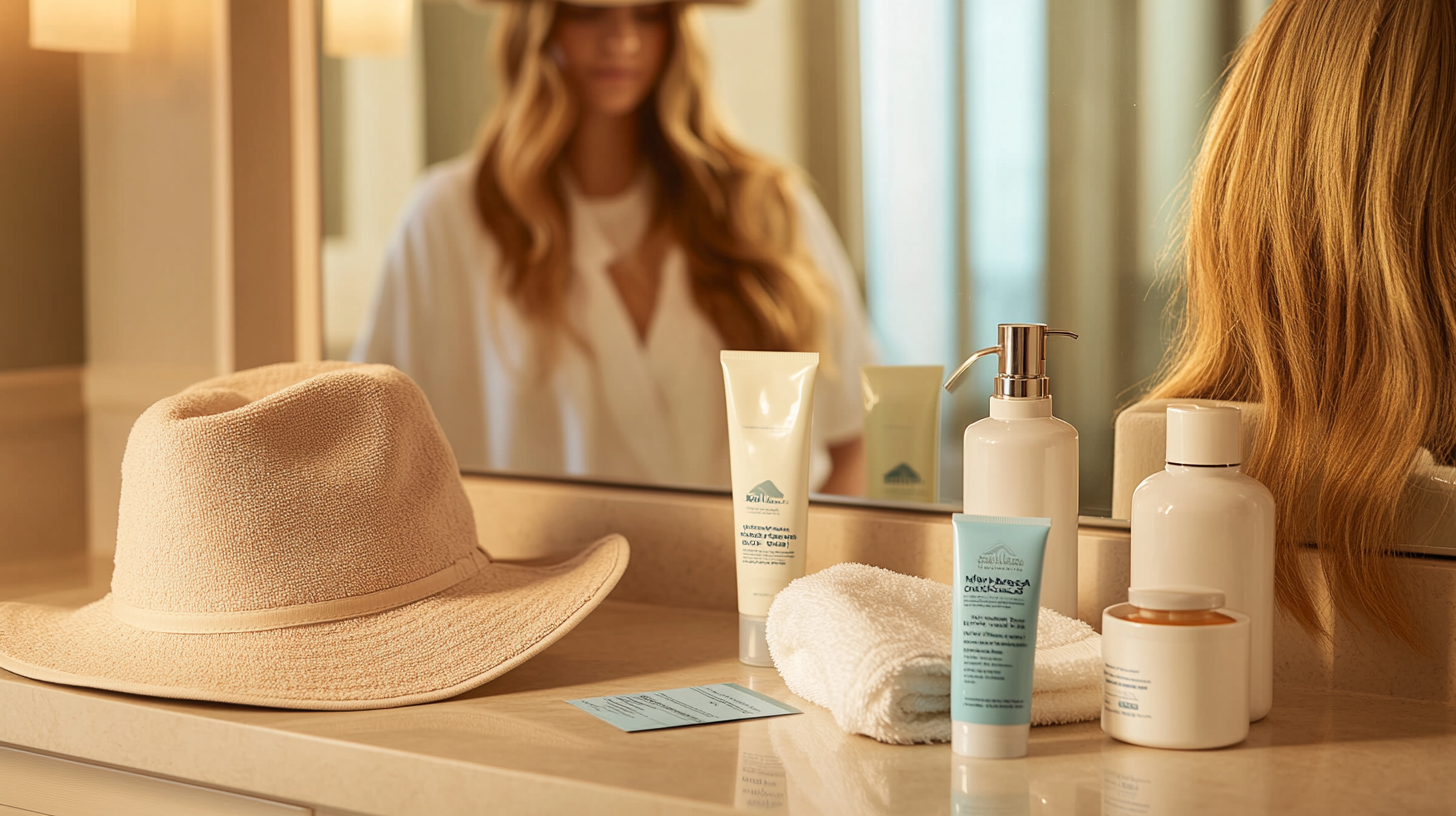
Sun damage can accumulate over years of UV exposure and may appear in ways that range from subtle to more noticeable. Fine lines, dark spots, rough texture, uneven tone, broken capillaries, and reduced skin elasticity are common visible signs of photoaging, the term often used to describe skin changes linked to ultraviolet radiation rather than aging alone. For patients in Las Vegas, where the desert sun can be intense throughout much of the year, the effects of cumulative exposure may become more visible over time.
Medical spa treatments may help improve the appearance of sun-related skin changes through several approaches. Some treatments support cell turnover, some target uneven pigment, and others encourage collagen remodeling. The right option depends on the type of damage present, the patient’s skin type, treatment goals, medical history, and the amount of recovery time they can reasonably accommodate.
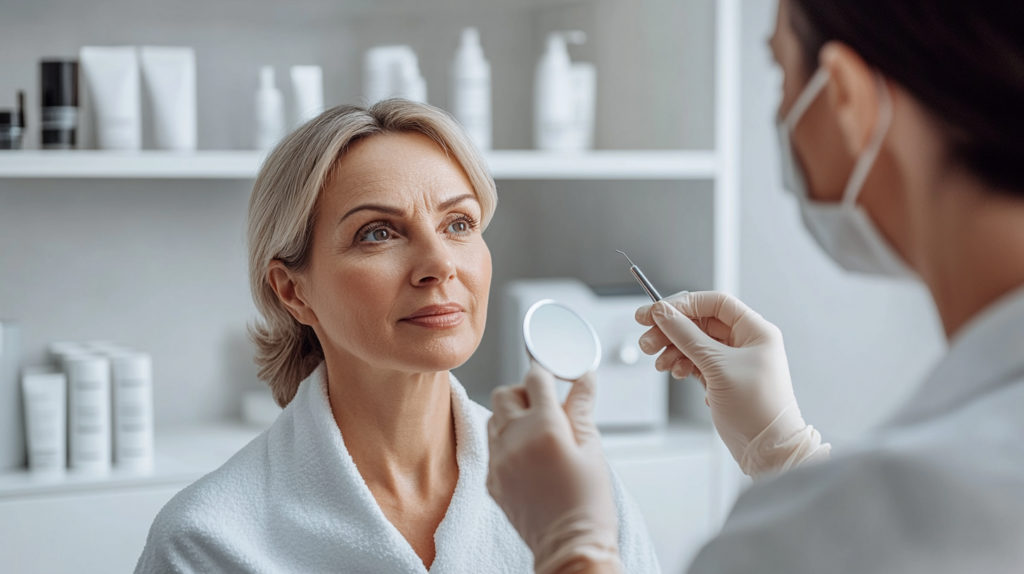
At Blue Point Medical Spa, care begins with a thorough skin analysis to identify the specific concerns present and match them with appropriate treatment options. The assessment considers not only what is visible on the skin’s surface, but also the structural and pigment-related changes that may be influencing overall skin quality.
How UV Exposure Changes the Skin
Ultraviolet radiation affects the skin through two primary wavelength categories. UVB rays mostly affect the epidermis, the skin’s outermost layer, and are associated with sunburns, DNA damage, and the development of sun spots, also known as solar lentigines. UVA rays penetrate more deeply into the dermis, where they may contribute to changes in collagen fibers, elastin, and overall skin firmness.
The effects of UVA exposure may develop gradually. A patient may not experience a visible sunburn but may still accumulate changes from years of unprotected UV exposure. Over time, this may contribute to skin laxity, leathery texture, deeper lines, and the mottled pigmentation pattern often seen in photodamaged skin.
Melanin, the pigment that gives skin its color, increases in response to UV as part of the skin’s protective response. This is what creates a tan. However, when pigment-producing cells become overstimulated, pigment may appear unevenly, creating sun spots, freckle clusters, and diffuse hyperpigmentation that may not fade easily on its own.
Patients who want to understand environmental contributors to skin changes may also review how environmental factors affect skin health and how early skin changes may be treated with professional guidance.
Laser Treatments for Texture and Pigment Concerns
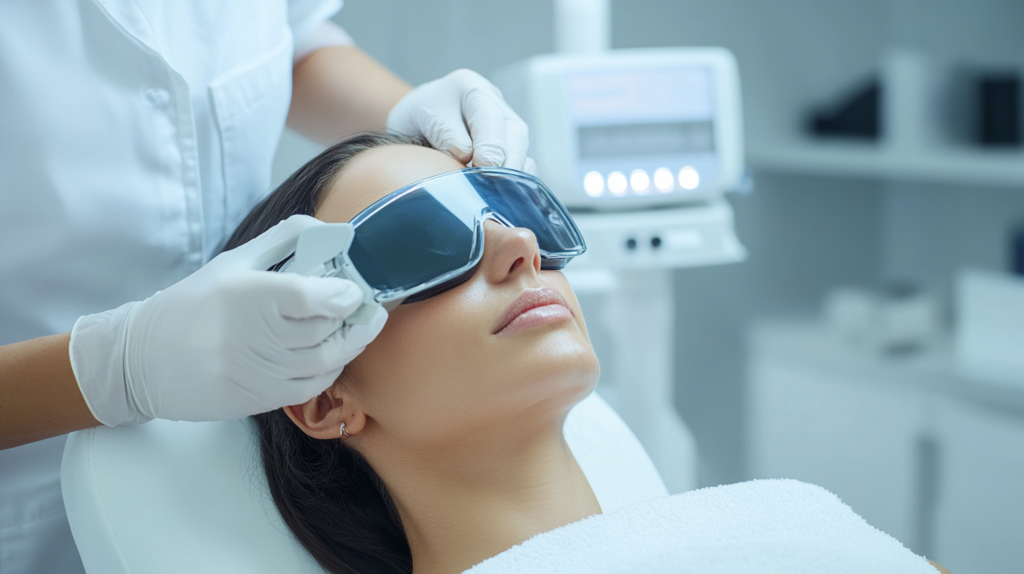
Laser treatments are commonly used in medical aesthetics to address visible signs of sun damage, including uneven pigment, rough texture, and certain fine lines. These treatments use focused light or energy to interact with specific layers of the skin. Depending on the device and treatment settings, the goal may be to resurface damaged outer layers, heat deeper tissue, or stimulate collagen production over time.
Ablative lasers, such as CO2 and erbium lasers, remove controlled layers of the skin. This approach may support smoother texture and a more even-looking tone as the skin heals. Ablative resurfacing can produce visible improvement for selected patients, but it typically requires more downtime than lighter treatments. Healing may involve several days of visible recovery, followed by redness that gradually improves.
Fractional laser technology treats a portion of the skin’s surface in a controlled pattern while leaving surrounding tissue intact. This method may trigger repair processes while reducing recovery time compared with fully ablative treatment. Fractional approaches may be considered for fine lines, texture irregularity, age spots, and moderate sun damage on areas such as the face, chest, and hands.
Non-ablative lasers heat deeper layers without removing the epidermis. These options may be appropriate for patients with mild to moderate photodamage who prefer lower downtime and are comfortable with gradual results over a series of sessions. Non-ablative treatments often focus on supporting collagen remodeling, firmness, and tone over time.
Patients can learn more about available options on the laser treatments page. Blue Point Medical Spa also provides educational comparisons, including a CO2 and erbium laser resurfacing overview, to help patients understand how different technologies may align with their goals.
Chemical Peels for Uneven Tone and Surface Damage
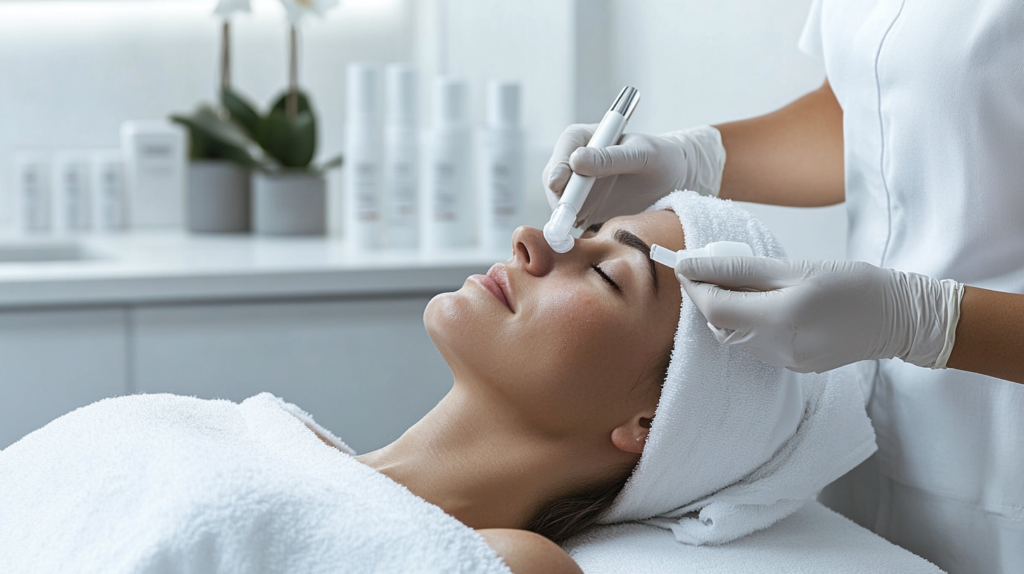
Chemical peels may help improve the appearance of sun-damaged skin by exfoliating controlled layers of the epidermis. This process supports cell turnover, encourages newer skin cells to surface, and may help reduce the appearance of dullness, uneven tone, and surface-level pigment deposits.
For mild sun damage, a series of superficial peels, such as glycolic acid peels, may help improve tone and texture with minimal downtime. Glycolic acid works by loosening the bonds between dead skin cells, which promotes more even shedding. Patients with dullness, mild discoloration, or roughness from cumulative sun exposure may be candidates for this type of approach, depending on skin tolerance and history.
Medium-depth peels, such as certain TCA peels, may reach deeper layers and may be considered for more noticeable sun spots, age spots, or texture changes. These treatments require more recovery than superficial peels and must be planned carefully, especially for patients with darker Fitzpatrick skin types or a history of post-inflammatory hyperpigmentation. Strict sun avoidance and aftercare are important during healing.
Blue Point’s chemical peels service includes options that may be selected based on the patient’s skin type, pigment concerns, sensitivity, and goals. During the consultation process, the provider evaluates the depth and type of photodamage before recommending an acid type, strength, and treatment schedule.
Medical-Grade Facials for Maintenance and Surface Support
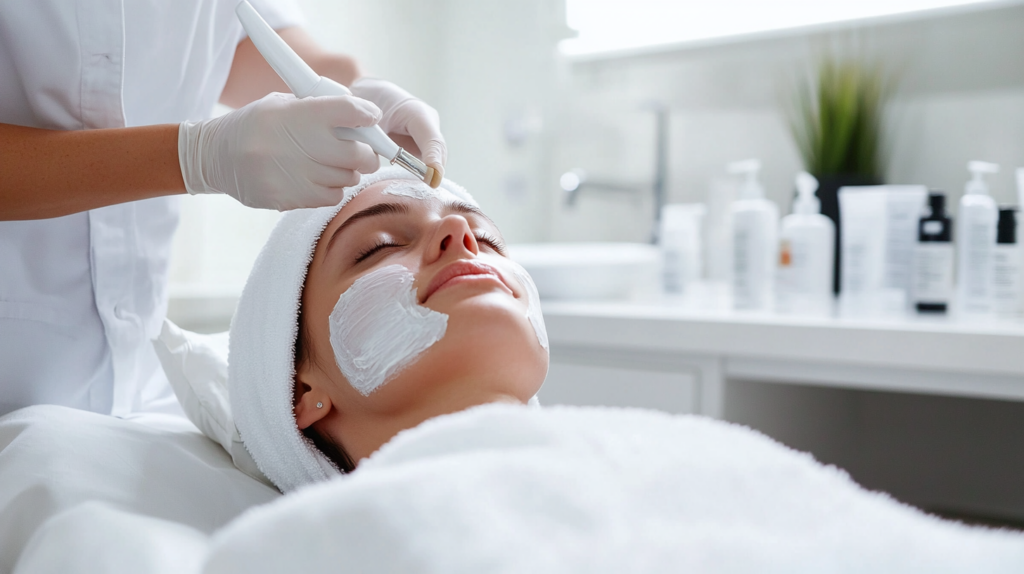
Medical-grade facials may serve as both a treatment and a maintenance tool for sun-damaged skin. While facials do not reach the same depth as lasers or medium-depth peels, they may support surface-level improvement, hydration, brightness, and barrier health. They can also help maintain the results of more intensive procedures.
Facials that include enzymatic exfoliation, vitamin C serums, hydrating ingredients, and antioxidant-rich masks may support skin affected by oxidative stress from UV exposure. Vitamin C is often used in skincare because it may help brighten uneven tone and support antioxidant protection. In a professional facial, ingredients are selected based on the patient’s skin condition and tolerance.
HydraFacial and similar treatments may remove surface debris, dead skin cells, and congestion while infusing the skin with hydrating and brightening serums. For patients with mild sun damage, a regular facial schedule may support gradual improvement in texture and glow. For patients who have undergone laser resurfacing or a chemical peel, facials may be used as maintenance once the skin has healed and the provider confirms that it is appropriate.
The facials page outlines available treatment options. Patients interested in long-term skin support may also review how medical-grade facials support long-term skin health through professional protocols and personalized product selection.
Microneedling for Collagen Support
Microneedling is often used to support collagen production and improve the appearance of texture, fine lines, and some forms of uneven skin quality. The procedure creates controlled microchannels in the skin, which triggers a natural repair response. This response may include increased fibroblast activity, new collagen deposition, and improved dermal density over time.
For sun-damaged skin, microneedling may be considered on areas that commonly receive UV exposure, including the face, neck, and décolletage. These areas often show texture changes, crepiness, and fine lines earlier than more protected skin. The treatment may also be paired with selected topical products when appropriate, although the provider must choose ingredients carefully to avoid irritation.
Blue Point’s microneedling service is performed by trained providers who adjust needle depth and treatment intensity based on skin thickness, treatment area, goals, and tolerance. Many patients need a series of sessions spaced several weeks apart, with results continuing to develop gradually as new collagen matures.
Because microneedling relies on the body’s own healing response, results vary. Patients with active infection, certain skin conditions, recent sunburn, or a history of abnormal scarring may need to delay treatment or consider a different option.
Combining Treatments for a Personalized Plan
The most appropriate approach to sun damage treatment often involves combining multiple modalities rather than relying on one service alone. Each treatment addresses a different dimension of the concern. Laser treatments may support deeper resurfacing or collagen remodeling. Chemical peels may help with surface pigment and texture. Facials may support hydration, brightness, and maintenance. Microneedling may help improve texture and collagen-related concerns over time.
A treatment plan for moderate photodamage might begin with a professional skin analysis, followed by a series of peels or facials to prepare the skin. Once the skin is conditioned, the provider may discuss fractional laser resurfacing or microneedling for deeper texture or collagen support. Between sessions, a disciplined home regimen using medical-grade skincare may help maintain progress and support the skin barrier.
Sun protection is essential throughout the entire plan. No treatment can maintain improvement if the patient continues to expose unprotected skin to UV radiation. Broad-spectrum SPF, daily use, reapplication during outdoor activity, hats, protective clothing, and shade are all part of long-term maintenance. The pre- and post-treatment care guidelines at Blue Point Medical Spa reinforce this point because proper aftercare can affect comfort, recovery, and visible outcomes.
At Blue Point Medical Spa, the provider may build a staged plan based on the patient’s concerns, skin type, lifestyle, and recovery preferences. A staged approach can be especially helpful for patients who have several concerns at once, such as hyperpigmentation, rough texture, fine lines, and loss of glow.
Medical-Grade Skincare After Sun Damage Treatments
Professional treatments are only one part of a sun damage plan. A consistent home regimen may help support and maintain results between appointments. The right products depend on the patient’s skin type, sensitivity, pigment concerns, and treatment history.
Many sun-damage plans include broad-spectrum sunscreen, antioxidants, gentle exfoliants, moisturizers, and ingredients that support tone and texture. Some patients may benefit from retinoids or pigment-supporting products, while others may need to focus first on barrier repair and hydration. A provider can explain which ingredients may be appropriate and when to use them.
Blue Point Medical Spa carries medical-grade skincare options such as ZO Skin Health, SkinMedica, and SkinBetter. These lines may be recommended as part of a personalized regimen, especially when patients are preparing for or recovering from professional treatments.
Patients should avoid starting strong active products immediately before or after treatments unless their provider gives specific instructions. Over-exfoliation, unprotected sun exposure, or product misuse may increase irritation and pigmentation risk, particularly in a sunny climate like Las Vegas.
FAQ
Can sun damage be fully reversed?
Sun damage may often be improved, but it should not be described as fully reversible for every patient. Mild to moderate photodamage may respond well to professional treatments, while bigger structural changes may require a longer plan and may not disappear completely. Ongoing sun protection is essential to help prevent additional damage.
Which treatment works fastest for sun spots?
Laser treatments may create visible improvement more quickly for selected sun spots, while chemical peels often work more gradually over a series of sessions. The best option depends on the depth, number, and pattern of the spots, as well as the patient’s skin type and recovery preferences.
Should patients wait until after summer to treat sun damage?
Some treatments may be performed year-round with strict SPF use and sun avoidance, but more intensive procedures are often easier to schedule during cooler months. Patients who spend significant time outdoors may benefit from starting with facials, skincare, or a consultation first, then planning deeper treatments when sun exposure is easier to control.
Conclusion
Sun damage can affect pigment, texture, firmness, and overall skin quality, but treatment should be selected carefully. Lasers, chemical peels, medical-grade facials, microneedling, and professional skincare may each play a role depending on the patient’s needs. The goal is not to choose the strongest treatment first, but to match the right option to the skin’s current condition, tolerance, and long-term goals.
At Blue Point Medical Spa, patients receive aesthetic care guided by consultation, education, and professional oversight. If you are concerned about sun spots, uneven tone, fine lines, rough texture, or visible photoaging, book a consultation to discuss which sun damage treatment options may be appropriate for your skin.
Individual results vary. A consultation with a licensed provider is required to determine whether a treatment is appropriate. Aesthetic services are elective and may involve risks, side effects, contraindications, or downtime. Recommendations may vary based on skin type, medical history, medications, sun exposure, treatment goals, and healing response.