
Walking into a medical spa for the first time can feel unfamiliar, especially for patients who have never received aesthetic treatments before. The setting may feel both clinical and spa-like, the service menu may include several treatment categories, and some of the terminology may feel new. That uncertainty is normal, and understanding what to expect can help patients feel more comfortable before they arrive.
Las Vegas has many medical spas, which gives patients options but can also make the selection process more confusing. A first appointment should help the patient understand their skin, discuss their goals, review safety considerations, and decide whether a treatment plan makes sense. It should not feel rushed or overly sales-focused.
At Blue Point Medical Spa, first visits are guided by consultation, education, and professional assessment. Whether a patient is interested in injectables, facials, chemical peels, laser treatments, microneedling, body sculpting, or skin tightening, the process begins with understanding the patient’s health history, concerns, and expectations.
Preparing Before the Appointment
The preparation stage begins before the patient enters the facility. Knowing what to bring, what to avoid, and how to organize personal information can help the appointment run smoothly. It also gives the provider the context needed to recommend a safer and more appropriate treatment plan.
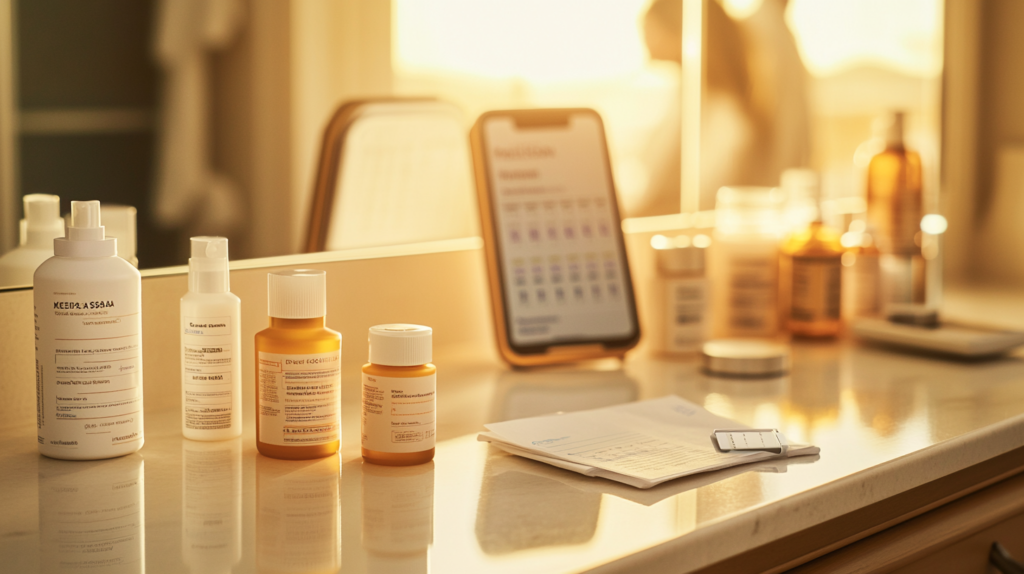
Patients should prepare a current list of medications, supplements, and vitamins. This includes prescription medications, over-the-counter products, blood thinners, aspirin, NSAIDs, fish oil, vitamin E, and herbal supplements. Some of these may affect bruising, bleeding, sun sensitivity, or treatment candidacy.
A summary of previous aesthetic treatments is also helpful. If a patient has received Botox, dermal fillers, laser treatments, chemical peels, or other procedures elsewhere, the provider should know what was done and when. This helps prevent overlapping treatments and allows the provider to understand how the patient responded in the past.
Patients who are scheduled for a facial assessment should arrive with minimal product on the skin when possible. Makeup, heavy moisturizers, and layered skincare may make it harder to evaluate skin texture, skin tone, active breakouts, redness, pigmentation, and dryness. Many medical spas can cleanse the skin before treatment, but a clean face can support a more accurate first evaluation.
Sun exposure should also be limited before the appointment. In Las Vegas, strong UV exposure can affect treatment timing. Sunburned, irritated, or recently tanned skin may not be suitable for certain chemical peels, laser treatments, or other procedures. If the skin is inflamed or sunburned, a provider may recommend delaying treatment.

What Happens During the Consultation
The consultation is one of the most important parts of a first med spa appointment. It is where the provider evaluates the patient, the patient asks questions, and both sides determine whether the proposed treatment path is appropriate. A good consultation supports informed decision-making.
A thorough consultation begins with medical history. The provider reviews current medications, allergies, prior treatments, skin reactions, chronic conditions, pregnancy or breastfeeding status, and any history of scarring, cold sores, or pigmentation problems. This review helps identify contraindications, which are factors that may make a treatment unsafe or less appropriate.
The provider then performs a skin analysis or physical assessment based on the patient’s concern. For patients interested in facials, the evaluation may focus on skin type, hydration, congestion, sensitivity, pigmentation, and texture. For patients considering body sculpting, the provider may assess the treatment area, fat distribution, and skin laxity.
After the assessment, the provider discusses treatment options. A skilled provider explains what each treatment may help with, what it cannot do, how many sessions may be needed, what recovery may involve, and what risks or side effects are possible. This helps patients compare options without feeling pressured.
Patients should use the consultation to ask direct questions. They may ask about provider credentials, who performs the treatment, how often the provider performs the service, what aftercare is required, how long results may last, and what a realistic outcome looks like. Transparent answers help patients feel more confident in the plan.
Blue Point’s consultation process is designed to help patients understand their options before moving forward.
Understanding Common Med Spa Treatments
A first-time patient may not know which service matches their concern. Understanding the broad treatment categories can make the consultation more productive. The patient does not need to choose the exact procedure before arrival, but it helps to know what each category generally addresses.
Injectable treatments include neuromodulators such as Botox, Dysport, or Xeomin, as well as dermal fillers. Neuromodulators temporarily reduce selected muscle movement that contributes to dynamic wrinkles, such as forehead lines, frown lines, and crow’s feet. Fillers may restore or support volume in areas affected by age-related volume loss.
Skin rejuvenation treatments include medical-grade facials, chemical peels, microneedling, and laser treatments. These services may address skin texture, skin tone, pigmentation, dullness, acne-prone skin, fine lines, and firmness. The intensity and downtime vary by treatment.
Body contouring treatments may be discussed for patients with localized areas of stubborn fat. These treatments are not weight-loss procedures. They are generally intended for patients who are near a stable weight but want to address specific areas that do not respond the way they would like to diet and exercise.
Skin tightening treatments such as Ultherapy may be considered for selected patients with mild to moderate skin laxity. Ultherapy uses focused ultrasound energy to support collagen-related tightening over time. It does not replace surgery, but it may be appropriate for certain non-surgical goals.
Professional skincare may also be part of the plan. Blue Point offers options such as SkinMedica, SkinBetter, and ZO Skin Health to support daily care between treatments.
What to Expect During Treatment
If the consultation and treatment happen during the same visit, the provider should review the plan again before beginning. The patient should understand what treatment is being performed, what area is being treated, what sensations may occur, and what aftercare will be required. Consent should be clear before any procedure starts.
For injectable treatments, the provider cleanses the skin, identifies treatment points, and administers the product with fine needles or cannulas. The appointment may be brief, but careful assessment and placement matter. Patients may feel a quick pinch or mild pressure at the injection site.
For chemical peels, the provider applies a selected peel solution based on skin type, concern, and desired depth. The patient may feel tingling, warmth, or mild stinging during application. The provider monitors the skin closely and gives aftercare instructions before the patient leaves.
For laser treatments, the provider selects device settings based on the treatment area, skin tone, and concern. Some laser procedures may require numbing before treatment. Sensation and recovery vary widely depending on whether the treatment is gentle, non-ablative, or more intensive.
For medical-grade facials, the treatment may include cleansing, exfoliation, extractions when appropriate, hydration, targeted serums, and calming steps. Facials are often a good first treatment for patients who want professional skin support with limited downtime.
Treatment duration varies. Botox may take 15 to 30 minutes, while a facial may take 45 to 60 minutes. Laser resurfacing, microneedling, and body treatments may take longer depending on the area and protocol. The provider should explain the timing before treatment begins.
Aftercare and the Days Following Treatment
Aftercare is an important part of every medical spa treatment. What patients do in the hours and days after a procedure can affect comfort, irritation risk, and overall treatment experience. Instructions should be clear, specific, and tailored to the service performed.
After neuromodulator injections, patients may be asked to avoid rubbing the treated area, lying flat for a short period, and strenuous exercise for the rest of the day. After dermal fillers, patients may be advised to avoid pressure, alcohol, intense heat, and certain activities that may increase swelling or bruising.
After chemical peels or laser treatments, patients may need to avoid sun exposure, exfoliating products, retinoids, heat, sweating, and harsh skincare until the provider says it is safe to resume. Skin may peel, flake, feel tight, or appear red depending on the treatment intensity.
After microneedling, patients may experience redness, sensitivity, and dryness for a few days. Gentle cleansing, moisturizer, and broad-spectrum sunscreen are usually important. Patients should avoid picking at the skin or applying strong active ingredients too soon.
A reputable medical spa provides written aftercare and a way to contact the team with questions. Blue Point’s pre- and post-treatment care guidelines can help patients understand how to care for the skin before and after treatment.
Las Vegas Climate Considerations
Las Vegas has environmental conditions that matter for aesthetic treatments. The desert climate includes intense sun, low humidity, and high temperatures during much of the year. These factors can influence skin hydration, sensitivity, pigmentation risk, and post-treatment recovery.
Patients receiving treatments that increase sun sensitivity should be especially careful. Chemical peels, laser treatments, microneedling, and certain skincare protocols may make the skin more vulnerable to UV damage during recovery. Daily sunscreen, hats, shade, and avoiding direct sun exposure are important.
Low humidity can also affect the skin barrier. Dry air may increase tightness, flaking, and dehydration, especially after resurfacing or exfoliating treatments. Barrier-supporting moisturizer, gentle cleanser, and consistent hydration may help support comfort during recovery.
Timing matters for both residents and visitors. Patients planning outdoor activities, pool time, events, or travel should discuss scheduling with their provider. Some treatments are better planned when the patient can avoid sun exposure and follow aftercare without disruption.
A local medical spa should understand these climate-specific concerns and factor them into treatment planning.
Questions to Ask at a First Appointment
Patients should feel comfortable asking questions before agreeing to any treatment. A consultation is not only about the provider evaluating the patient. It is also an opportunity for the patient to evaluate the provider, the setting, and the treatment plan.
Helpful questions include what treatment the provider recommends and why, what alternatives are available, how many sessions may be needed, what side effects are possible, how long recovery may last, and when results may appear. Patients may also ask what happens if they do not choose treatment that day.
Cost questions are also appropriate. Patients can ask about the price per session, expected total cost, maintenance schedule, and whether additional products or follow-up visits are recommended. Understanding the full plan helps avoid surprises.
Patients may also ask about credentials and oversight. A professional team should be able to explain who performs treatments, what training they have, and whether services are overseen by licensed medical providers. Patients can learn more about the Blue Point team and Dr. Danka K. Michaels, M.D., before booking.
A provider who welcomes questions and explains limitations is often a better fit than one who promises dramatic results or minimizes risks.
Choosing the Right Medical Spa
Choosing a medical spa in Las Vegas should involve more than comparing prices or social media photos. Patients should look for professional oversight, clear consultation processes, realistic language, clean treatment spaces, and providers who explain both benefits and limitations.
A trustworthy med spa should not pressure a first-time patient into a treatment before they understand the plan. The provider should discuss candidacy, risks, expected downtime, maintenance, and alternatives. They should also be willing to say when a treatment is not appropriate.
Patients should be cautious of language that sounds absolute, such as guaranteed results, no risks, permanent correction, or instant transformation. Aesthetic treatments can be helpful, but outcomes vary, and every procedure has potential limitations or side effects.
Blue Point Medical Spa focuses on elective aesthetic care guided by professional evaluation and patient education. Patients can explore the spa and review available services before scheduling a consultation.
FAQ
Can patients receive treatment the same day as a consultation?
Some medical spa treatments may be performed the same day as the consultation if the provider confirms candidacy and the patient is comfortable proceeding. Same-day treatment is more common for certain injectables or facials. More involved treatments, such as lasers, peels, or body procedures, may require a separate appointment.
What should patients do if they are running late?
Patients should contact the medical spa as soon as they know they may be late. Some appointments have limited flexibility, especially treatments that require numbing, strict timing, or device scheduling. Significant delays may require rescheduling so the provider can perform the treatment safely and without rushing.
How long does a first med spa visit take?
A first visit that includes consultation and treatment may take 60 to 90 minutes or longer, depending on the service. A consultation-only appointment may take about 30 to 45 minutes. The team can clarify timing when the appointment is booked.
Conclusion
A first med spa appointment should help patients feel informed, not overwhelmed. The consultation should clarify goals, review health history, explain options, and outline what to expect before, during, and after treatment. In Las Vegas, sun exposure, dry climate, and recovery planning should also be part of the conversation.
At Blue Point Medical Spa, patients receive aesthetic care guided by consultation, education, and professional oversight. If you are ready to explore aesthetic treatments, book your first consultation to discuss your goals and begin a personalized treatment plan.
Individual results vary. A consultation with a licensed provider is required to determine whether treatment is appropriate. Aesthetic services are elective and may involve risks, side effects, contraindications, downtime, bruising, swelling, irritation, pigmentation changes, or limited response. Recommendations may vary based on skin type, medical history, medications, prior treatments, lifestyle, sun exposure, and personal goals.